

Part 3: Reaching Menopause – The 12-Month Milestone
Welcome to Part 3! By now, you understand what menopause is (Part 1) and what happens during perimenopause (Part 2). Now let’s focus on menopause itself – that specific point in time when your body officially transitions from perimenopause to postmenopause.
What Is Menopause, Exactly?
Remember, menopause is not a phase that lasts for years – it’s actually just one specific point in time. Menopause is the day that marks 12 months after your last menstrual period.
Think of it this way:
- You have your final period (but you don’t know it’s your final one yet)
- You wait 12 months with no additional periods
- On day 365 after that final period, you’ve reached menopause
- Every day after that, you’re postmenopausal
You can only confirm you’ve reached menopause by looking backward. If you haven’t had a period for a year, congratulations – you’ve reached menopause!
What’s Happening at Menopause?
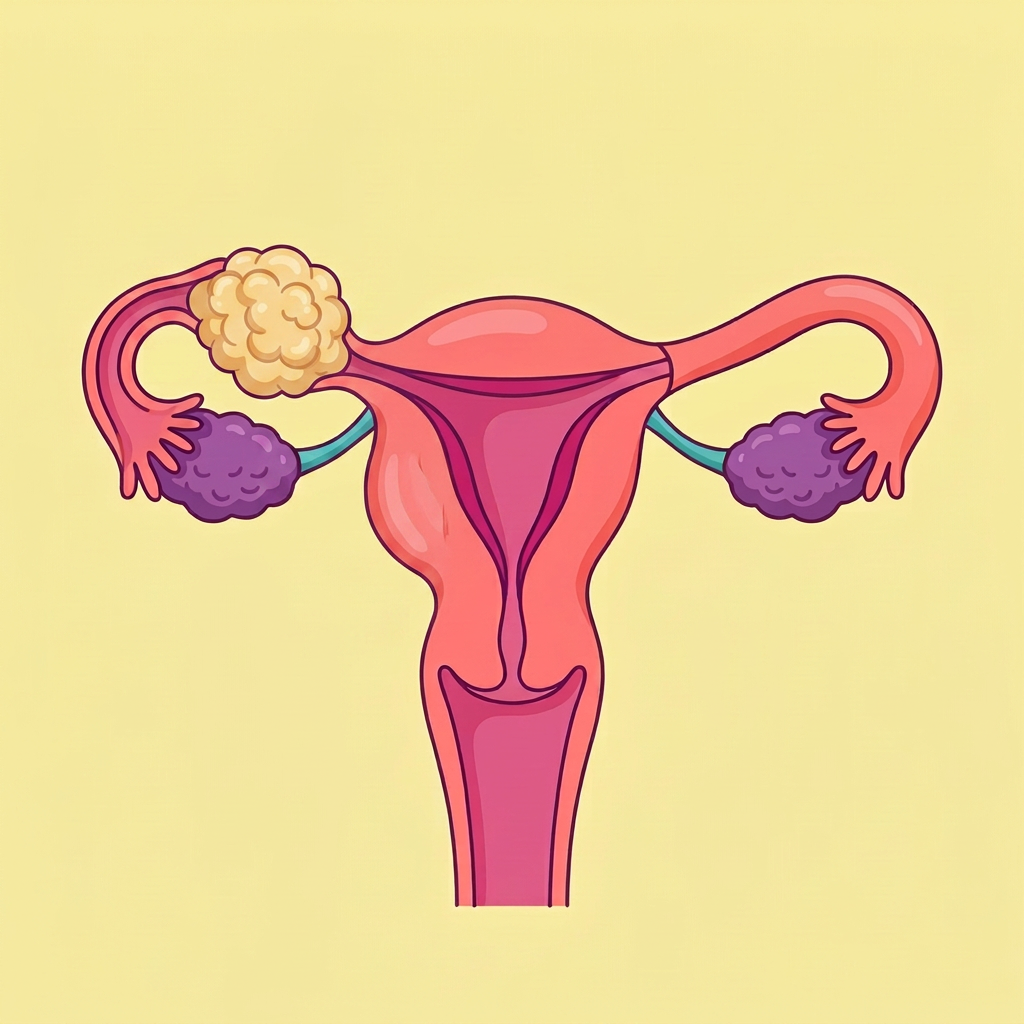
By the time you reach menopause, your ovaries have so few follicles left that they can no longer respond to the signals from your brain.
Here’s what’s changed in your body:
- Your ovaries have stopped releasing eggs (no more ovulation)
- Your ovaries produce very little estrogen and progesterone
- Your FSH and LH hormone levels are high (your brain is still trying to stimulate the ovaries)
- Without estrogen, your uterine lining doesn’t build up, so you don’t have periods
Your body still makes small amounts of estrogen from other sources (like your adrenal glands and fat tissue), but it’s much less than during your childbearing years – only about 10-20% of previous levels.
The Average Age and Timing
The median age of natural menopause in the United States is 51 years, but it’s completely normal for menopause to occur any time between ages 45 and 56.
What Affects When You Reach Menopause?
Several factors can influence your timing:
Family History: Genetics play a significant role. If your mother went through menopause early, you’re more likely to as well.
Smoking: Smokers typically reach menopause earlier than non-smokers.
Body Weight: Women with very low body weight may experience menopause earlier.
Ethnicity: Research shows some variation across ethnic groups, though the reasons aren’t fully understood.
Medical Treatments: Chemotherapy, radiation to the pelvis, or removal of the ovaries causes immediate menopause.
Overall Health: Certain chronic conditions may affect timing.
Different Types of Menopause
Natural Menopause
Natural menopause is what we’ve been discussing – when your periods stop naturally due to aging and your ovaries running out of eggs. This is the most common type.
Surgical Menopause
Surgical menopause happens when both ovaries are removed during surgery (called bilateral oophorectomy). This causes immediate menopause, regardless of your age.
Important differences with surgical menopause:
- Symptoms appear suddenly rather than gradually
- Symptoms are often more severe because hormone levels drop quickly
- Women who go through surgical menopause before natural menopause age may need hormone therapy to reduce health risks
If only the uterus is removed (hysterectomy) but the ovaries remain, you won’t have periods anymore, but you won’t experience menopause until your ovaries naturally stop functioning.
Medical Menopause
Medical menopause results from treatments that damage or suppress the ovaries:
- Chemotherapy for cancer
- Radiation therapy to the pelvis
- Certain medications that suppress ovarian function
Sometimes medical menopause is temporary, and ovarian function may return after treatment ends. Other times it’s permanent.
Premature or Early Menopause
- Premature menopause: Menopause before age 40 (affects about 1% of women)
- Early menopause: Menopause between ages 40-45 (affects about 5% of women)
Women who experience early or premature menopause face higher health risks because they spend more years with low estrogen levels. They should work closely with their healthcare provider to manage these risks.
Symptoms at the Menopause Milestone
For many women, the year leading up to menopause and the year after are when symptoms peak in intensity and frequency.
What You Might Experience
Hot Flashes and Night Sweats: These often reach their peak around the time of menopause. Approximately 75-80% of women experience vasomotor symptoms, and they’re often most frequent and intense during late perimenopause and early postmenopause.
Continued Irregular Periods: Until you reach that 12-month mark, you might still have occasional periods. Some women experience:
- A period after 6-8 months of nothing
- Very light spotting
- A final heavy period before they stop completely
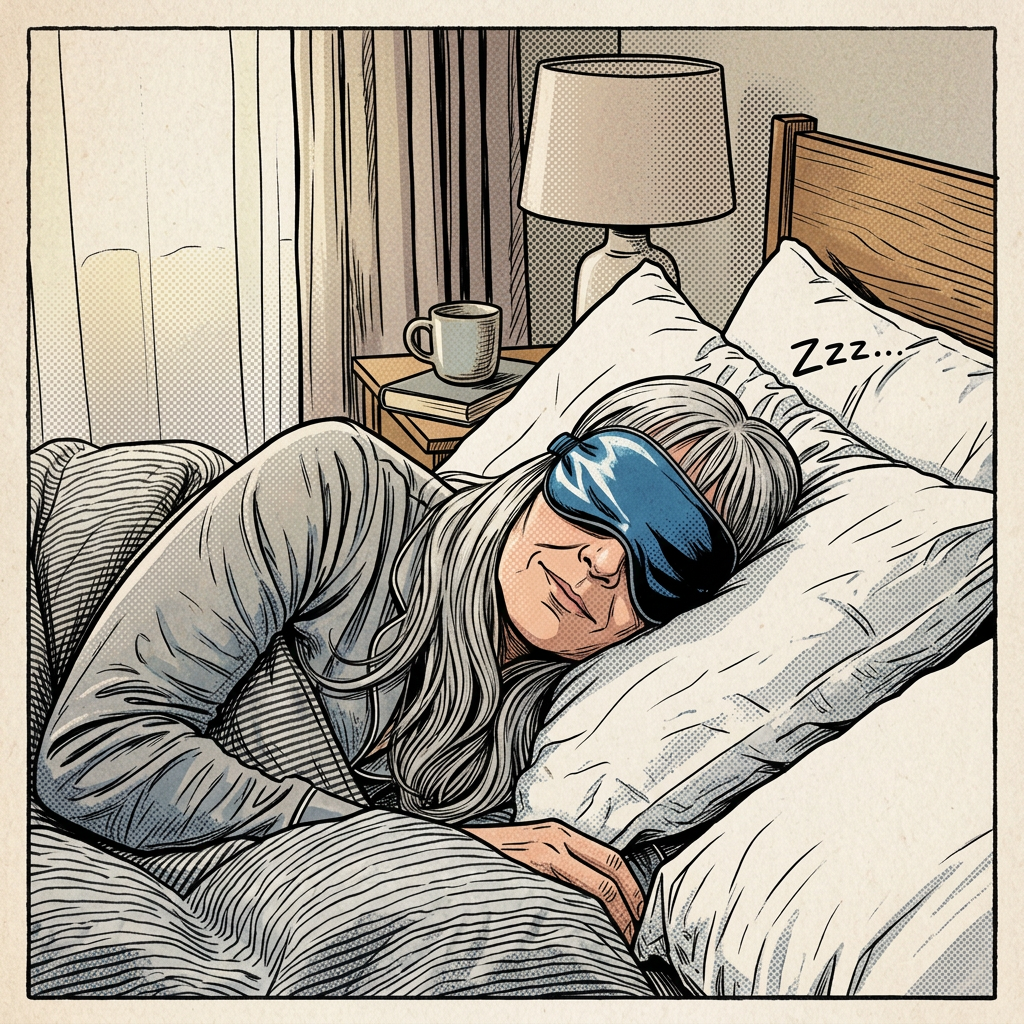
Sleep Disruption: Night sweats combined with other factors make sleep particularly challenging during this time.
Mood Changes: Hormone fluctuations continue to affect mood until levels stabilize in postmenopause.
Physical Changes: You might notice:
- Increased vaginal dryness
- Changes in skin texture and elasticity
- Continued weight gain, especially around the midsection
- Hair changes (thinning on the head, possibly more facial hair)
Racial and Ethnic Differences in Experience
Research shows that women’s experiences of menopause symptoms vary across racial and ethnic groups.
These differences might be related to:
- Genetic factors
- Socioeconomic conditions and stress levels
- Access to healthcare and treatment
- Cultural factors affecting symptom reporting
- Differences in body composition
Regardless of your background, all women deserve accurate information, support, and access to treatment during this transition.
How Do You Know You’ve Reached Menopause?
The Calendar Method
The most reliable way to know you’ve reached menopause is simply to mark 12 consecutive months without a period. Keep track on a calendar, and when you hit that one-year mark, you’re officially menopausal.
Lab Tests: Usually Not Necessary
Laboratory tests might not be required to diagnose menopause if you’re the right age and experiencing typical symptoms.
However, your doctor might order tests if:
- You’re younger than 40
- You’ve had a hysterectomy (so you can’t track periods)
- The diagnosis is unclear
- They’re considering hormone therapy and want baseline levels
Tests might include:
- FSH (Follicle-Stimulating Hormone): High levels (over 30) suggest menopause
- Estradiol: Low levels (below 20 pg/mL) suggest menopause
- Thyroid function: To rule out thyroid problems that can mimic menopause symptoms
Keep in mind: Hormone levels fluctuate during the transition, so a single test might not be conclusive.
What Should You Do When You Reach Menopause?
Take Stock of Your Health
This is an excellent time to schedule a comprehensive health check-up. Discuss with your doctor:
- Your menopause symptoms and how they’re affecting your life
- Whether you need treatment for symptoms
- Preventive health screenings you should have
- Your risk factors for osteoporosis and heart disease
- Lifestyle changes that could benefit your health
Celebrate This Milestone
Menopause is a significant life transition. Many women feel:
- Relief: No more periods, no more worrying about pregnancy
- Freedom: Increased confidence and self-assurance
- Empowerment: Taking charge of their health and future
- Reflection: Thinking about life’s next chapter
While the symptoms can be challenging, many women report that their postmenopausal years are among their most fulfilling.
Special Considerations
If You’re Going Through Early Menopause
Women who reach menopause before age 45 face some unique considerations:
- Higher risk for osteoporosis and heart disease due to more years with low estrogen
- Possible emotional impact of early fertility loss
- Generally recommended to consider hormone therapy until at least age 51 (average menopause age)
- May need more aggressive prevention strategies for bone and heart health
If You’ve Had Surgical Menopause
The sudden drop in hormones can cause:
- More severe and immediate symptoms
- Greater impact on mood and well-being
- Possible need for hormone therapy to manage symptoms and health risks
- Adjustment period as you cope with sudden changes
Checklist: Discussing Perimenopause and Menopause with Your Doctor
Questions About Your Symptoms:
- [ ] Are my irregular periods normal for perimenopause, or should we investigate further?
- [ ] How heavy is too heavy for menstrual bleeding during perimenopause?
- [ ] My hot flashes are affecting my sleep/work/relationships – what can help?
- [ ] I’m experiencing mood changes – could this be related to perimenopause or something else?
- [ ] Are my symptoms severe enough to consider treatment?
Questions About Treatment Options:
- [ ] Am I a good candidate for hormone replacement therapy (HRT)?
- [ ] What’s the difference between systemic HRT and local estrogen therapy?
- [ ] Are there non-hormonal medications that could help my symptoms?
- [ ] What about natural or alternative treatments – do they work?
- [ ] If I start treatment, how long before I see improvement?
- [ ] How will we know if a treatment is working?
Questions About Fertility and Contraception:
- [ ] Can I still get pregnant during perimenopause?
- [ ] When can I safely stop using birth control?
- [ ] Are there contraceptive methods that might also help with perimenopausal symptoms?
Questions About Long-Term Health:
- [ ] When should I have a bone density test?
- [ ] Do I need any heart health screenings?
- [ ] Should I start taking calcium and vitamin D supplements?
- [ ] Are there preventive measures I should take now for my future health?
Before Your Appointment:
- [ ] Track your symptoms for at least one month (periods, hot flashes, sleep, mood)
- [ ] Make a list of all medications and supplements you’re currently taking
- [ ] Write down your questions so you don’t forget them
- [ ] Bring a family health history if available
What’s Next?
In Part 4, we’ll explore postmenopause – the years after menopause. We’ll discuss long-term health considerations, what happens to symptoms over time, and review all the treatment options available, from hormone therapy to lifestyle changes to alternative approaches. So be sure to subscribe so you don’t miss it!
Or start from the beginning and read Part 1 which provides an overview of menopause or Part 2 on perimenopause. You can also checkout one of the many informative post we have related to menopause.
Share your experience and tips in the comments below or at The Marigold Woman Facebook Group. Don’t forget to sign up for our newsletter to stay up-to-date with our latest post!

Take the anonymous menopause symptom survey and see compiled results instantly.
This post was researched and drafted with the assistance of AI. All sources were reviewed and verified to the best of their ability by the editorial team.
Disclaimer: This blog is intended for informational purposes only and should not be considered legal or medical advice, diagnosis, or treatment. We strongly encourage readers to conduct their own research and consult with a qualified healthcare professional before making any decisions or changes to their health and medical routines. Marigold Brands and The Marigold Woman cannot be held accountable for any inaccuracies or adverse outcomes related to the information presented. We strive to provide accurate and up-to-date information. However, medical knowledge is constantly evolving, and individual experiences may vary. Sources and references are provided to support the content and enable readers to further explore topics and do not imply endorsement. Always consult with your healthcare provider before making significant changes to your health routine.
Resource Links
Trusted Medical Information
- National Institute on Aging – Menopause
- Office on Women’s Health – Menopause Basics
- Mayo Clinic – Menopause
- Cleveland Clinic – Menopause Overview
Medical Research
Menopause Organizations


Leave a Reply