
Part 1: Understanding Menopause – What Every Woman Should Know
What Is Menopause?
This week we begin our 4-part series to answer the question, “What is menopause?” We’ll start with a general overview of menopause and then, over the next couple of weeks, we’ll drill down into the nitty-gritty details.
Menopause is a natural part of every woman’s life. Simply put, it’s when your monthly periods stop for good. But there’s more to it than just your periods ending.
The word “menopause” comes from two Greek words: “men” (which means month) and “pausis” (which means pause). Menopause marks the end of a woman’s childbearing years, and it happens when your body stops making certain hormones.
Here’s an important thing to know: menopause isn’t just one day or event. It’s actually a whole journey that can last several years. Doctors only say you’ve reached menopause after you’ve gone 12 full months without having a period.
When Does Menopause Happen?
Most women go through menopause between ages 45 and 56. The average age for menopause in the United States is 51 years old.
However, some women experience menopause earlier:
- About 5% of women go through early menopause between ages 40 and 45
- About 1% of women experience menopause before age 40
Several things can affect when you go through menopause, including your family history, whether you smoke, your overall health, and your lifestyle.
Why Does Menopause Happen?
To understand menopause, let’s talk about what happens in your body.
When you’re born, your ovaries (the organs that release eggs) contain all the eggs you’ll ever have – about one million of them. By the time you reach puberty, you have between 250,000 and 400,000 eggs left. Each month during your childbearing years, your ovaries release an egg. This is called ovulation.
As you get older, your ovaries gradually run out of eggs. More importantly, your ovaries also make hormones – especially one called estrogen. Estrogen is like a chemical messenger that controls many things in your body, including your monthly periods.
When your ovaries start running low on eggs, they also start making less estrogen. Think of it like a factory that’s slowing down production. Your body notices this change, and it tries to make your ovaries work harder by sending out more signals (hormones called FSH and LH). But eventually, your ovaries just can’t keep up anymore.
When estrogen levels drop low enough, your periods become irregular and eventually stop completely. This is menopause.
The Three Stages of Menopause
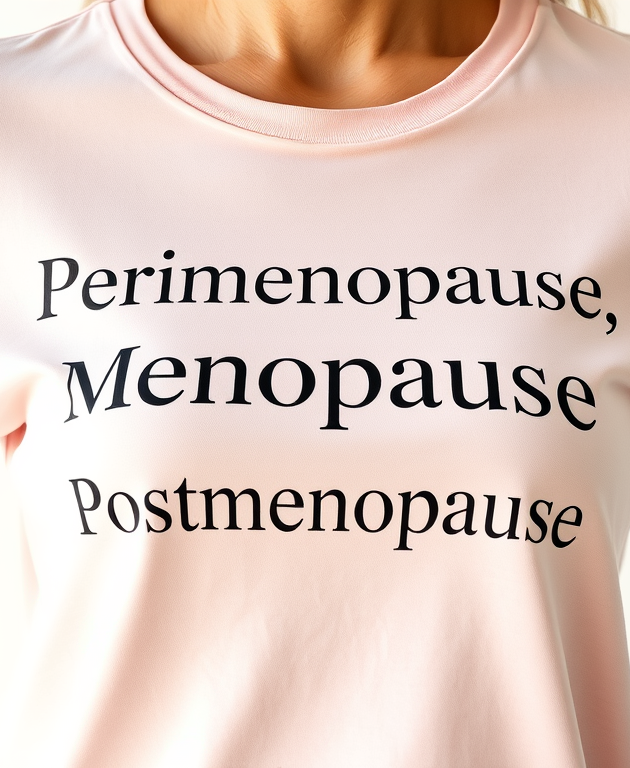
Menopause doesn’t happen overnight. It’s a process with three main stages:
Stage 1: Perimenopause (The Transition Years)
Perimenopause means “around menopause.” This is when your body starts the transition. Perimenopause can begin 8 to 10 years before menopause, though for most women it lasts about 4 to 8 years.
During perimenopause:
- Your periods become irregular (they might come closer together or farther apart)
- Your periods might be heavier or lighter than usual
- You might skip periods sometimes
- You start experiencing symptoms like hot flashes
Many women in their 40s are in perimenopause, even if they’re still having periods.
Stage 2: Menopause (The One-Year Mark)
Menopause itself is actually just one point in time – it’s the day that marks 12 months after your last period. Once you’ve gone a full year without a period, you can look back and say, “That was menopause.”
Most women don’t know they’ve reached menopause until they’ve already passed it!
Stage 3: Postmenopause (The Years After)
Postmenopause is every year after menopause for the rest of your life. As women live longer, they spend roughly 40% of their lives – or more than 30 years – in the postmenopausal years.
During postmenopause:
- You won’t have periods anymore
- Some symptoms like hot flashes might continue for several years
- Other symptoms related to low estrogen may develop
- Your body adjusts to its new hormone levels
What Symptoms Do Women Experience?
Not every woman experiences menopause the same way. Some women sail through with few problems, while others find the symptoms challenging.
Hot Flashes: The Most Common Symptom
About 75% of all women experience hot flashes. Some studies show the number might be even higher – up to 80% of women.
A hot flash is a sudden feeling of heat that spreads across your upper body and face. You might feel:
- A wave of warmth washing over you
- Your face and neck getting red or flushed
- Sweating, sometimes a lot
- Your heart beating faster
- A chill afterward as your body cools down
Hot flashes typically last 3 to 4 minutes, but they can feel longer when you’re experiencing them. They can happen any time – day or night. When they happen at night, they’re called night sweats, and they can interrupt your sleep.
Other Common Symptoms
Beyond hot flashes, many women experience:
Changes in periods: Before they stop completely, your periods might become unpredictable. They might come more often or less often, be heavier or lighter, or last longer or shorter than usual.
Sleep problems: Menopausal women generally report more sleep difficulties than premenopausal women. You might have trouble falling asleep, wake up during the night, or wake up too early.
Mood changes: Up to 70% of women experience mood-related symptoms during perimenopause and menopause. You might feel more irritable, anxious, or sad than usual.
Body changes: Many women notice weight gain, especially around the middle. The North American Menopause Society states women gain an average of 5 pounds during the menopause transition.
Brain fog: Some women report trouble concentrating or remembering things during the transition.
Physical discomfort: You might experience headaches, joint aches, or muscle pain.
Why Understanding Menopause Matters
Menopause is not a disease – it’s a natural phase of life, just like puberty. But because it affects your hormones, and hormones affect many parts of your body, menopause can impact your health in various ways.
The good news is that understanding what’s happening helps you:
- Recognize symptoms when they start
- Know when to talk to your doctor
- Make informed decisions about treatment options
- Take steps to protect your health as you age
Remember, every woman’s experience is unique. What you’re going through is real, and you deserve support and good medical care during this transition.
Checklist: Questions to Ask Your Doctor
No matter what stage you’re in, it’s important to have open conversations with your healthcare provider. Here’s a checklist to help you prepare for your appointment:
General Questions for All Stages:
- [ ] Could my symptoms be related to menopause, or should we test for other conditions?
- [ ] What stage of menopause am I in?
- [ ] Are there any tests I should have at this stage?
- [ ] What symptoms should I watch for that would require medical attention?
- [ ] Are there lifestyle changes that could help my symptoms?
- [ ] Do I need to continue using birth control, and if so, for how long?
- [ ] How often should I have check-ups during this transition?
- [ ] Are there any health screenings I should schedule (bone density, heart health, etc.)?
- [ ] Can you recommend reliable resources or support groups?
If You’re Experiencing Symptoms:
- [ ] Which of my symptoms are most concerning and worth treating?
- [ ] What are my treatment options (hormonal and non-hormonal)?
- [ ] What are the risks and benefits of each treatment option for someone with my health history?
- [ ] How long would I need to take any medications?
- [ ] Are there any medications I’m currently taking that might interact with menopause treatments?
- [ ] What side effects should I watch for with any recommended treatments?
About Your Health History:
- [ ] Does my family history put me at higher risk for any menopause-related complications?
- [ ] Should I be concerned about osteoporosis or heart disease?
- [ ] Do any of my existing health conditions affect my menopause experience or treatment options?
- [ ] Am I at higher risk for early menopause based on my health or lifestyle?
What’s Next?
In Part 2, we’ll dive deeper into the perimenopause stage of this journey. You’ll learn about the specific changes happening in your body, what to expect, and how to know which stage you’re in. You can also checkout one of the many informative post we have related to menopause.

Take the anonymous menopause symptom survey and see compiled results instantly.
Share your experience and tips in the comments below or at The Marigold Woman Facebook Group. Don’t forget to sign up for our newsletter to stay up-to-date with our latest post!
This post was researched and drafted with the assistance of AI. All sources were reviewed and verified to the best of their ability by the editorial team.
Disclaimer: This blog is intended for informational purposes only and should not be considered medical advice, diagnosis, or treatment. We strongly encourage readers to conduct their own research and consult with a qualified healthcare professional before making any decisions or changes to their health and medical routines. Marigold Brands and The Marigold Woman cannot be held accountable for any inaccuracies or adverse outcomes related to the information presented. We strive to provide accurate and up-to-date information. However, medical knowledge is constantly evolving, and individual experiences may vary. Sources and references are provided to support the content and enable readers to further explore topics and do not imply endorsement. Always consult with your healthcare provider before making significant changes to your health routine.
Resource Links
Trusted Medical Information
- National Institute on Aging – Menopause
- Office on Women’s Health – Menopause Basics
- Mayo Clinic – Menopause
- Cleveland Clinic – Menopause Overview
Medical Research
Menopause Organizations


Leave a Reply