
Part 2: The Transition Begins – Understanding Perimenopause
Welcome back! In Part 1, we covered the basics of menopause – what it is, why it happens, and the three stages. Now let’s take a closer look at perimenopause, the first stage of your menopause journey.
Understanding Perimenopause: When the Changes Begin
Perimenopause is the beginning of your menopause journey. This is when your body starts transitioning from the childbearing years to menopause. Think of it as the bridge between your reproductive years and menopause.
For many women, perimenopause is actually the most challenging phase because of unpredictable hormone changes and symptoms that can vary greatly from month to month.
When Does Perimenopause Start?
Perimenopause usually begins in your 40s, though some women notice changes in their late 30s. The average woman spends about 4 years in perimenopause, but it can last anywhere from a few months to 8 years or even longer for some women.
You might be in perimenopause if you’re experiencing menopause symptoms but still having periods – even if those periods are irregular.
What’s Happening in Your Body During Perimenopause?
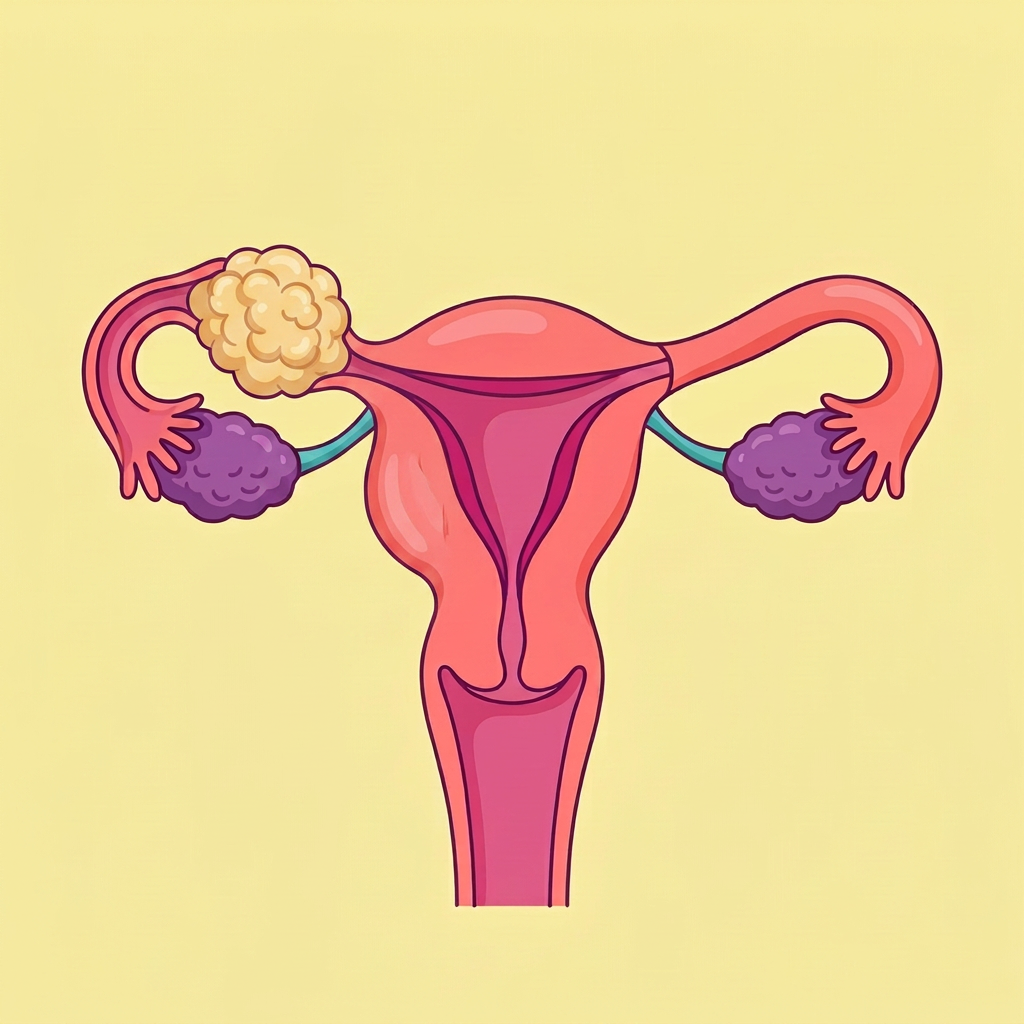
During perimenopause, your ovaries are like a battery that’s running low on power. They’re still working, but not as consistently as before.
Your ovaries produce less estrogen and another hormone called inhibin B. When these hormone levels drop, your brain tries to compensate by producing more FSH (follicle-stimulating hormone) and LH (luteinizing hormone) to stimulate your ovaries.
It’s like your brain is saying, “Work harder!” But your ovaries simply can’t respond the way they used to. This creates a hormonal roller coaster – sometimes your hormone levels are high, sometimes they’re low, and sometimes they’re all over the place.
This hormonal fluctuation is why perimenopause symptoms can be so unpredictable and sometimes more intense than the symptoms you’ll experience after menopause.
Early Perimenopause vs. Late Perimenopause
Doctors divide perimenopause into two phases:
Early Perimenopause: Your periods are still regular or just starting to change. The length between periods might vary by 7 days or more. For example, if your cycle is usually 28 days, it might suddenly be 21 days one month and 35 days the next month.
During this phase, you might not notice many symptoms yet, or they might be mild and occasional.
Late Perimenopause: This phase typically lasts 1 to 3 years before your final menstrual period. You might skip periods entirely, going 60 days or more without menstruating. Hot flashes and other symptoms often become more noticeable and frequent during this phase.
Many women find late perimenopause to be the most symptomatic time of the entire menopause transition.
Common Perimenopause Symptoms
Period Changes: The First Sign
For most women, changes in their menstrual cycle are the first sign of perimenopause. Your periods might become:
- Irregular: You can’t predict when they’ll come anymore
- Heavier: More bleeding, larger clots, or periods that seem to last forever
- Lighter: Shorter periods with less bleeding
- Closer together: Every 21 days instead of every 28 days
- Farther apart: You might skip a month or two, then have a period again
Important: While irregular periods are normal during perimenopause, certain changes need medical attention:
- Bleeding that soaks through a pad or tampon every hour for several hours
- Periods lasting more than 7 days
- Bleeding between periods
- Bleeding after sex
Hot Flashes and Night Sweats Begin
Most women start experiencing hot flashes during late perimenopause. These sudden waves of heat can range from mild warmth to intense heat that disrupts your daily activities.
Hot flashes during the day are uncomfortable, but night sweats can be especially disruptive because they:
- Wake you up repeatedly
- Require changing nightclothes or sheets
- Leave you exhausted the next day
- Make it hard to fall back asleep
The combination of night sweats and sleep disruption can create a domino effect, making other symptoms like mood changes and brain fog worse.
Mood Changes and Emotional Symptoms
The hormonal fluctuations of perimenopause can significantly affect your mood. The risk of depressive symptoms is higher in perimenopause compared to the premenopausal years.
You might feel:
- More irritable: Little things that never bothered you before suddenly feel overwhelming
- Anxious or worried: A sense of unease without a clear cause
- Sad or tearful: Crying more easily or feeling down
- Less confident: Doubting yourself more than usual
- Mood swings: Feeling fine one moment and upset the next
These mood changes are real and caused by hormonal fluctuations – not “all in your head.” However, it’s important to talk to your doctor if mood changes are severe or if you feel depressed, as these symptoms deserve treatment.
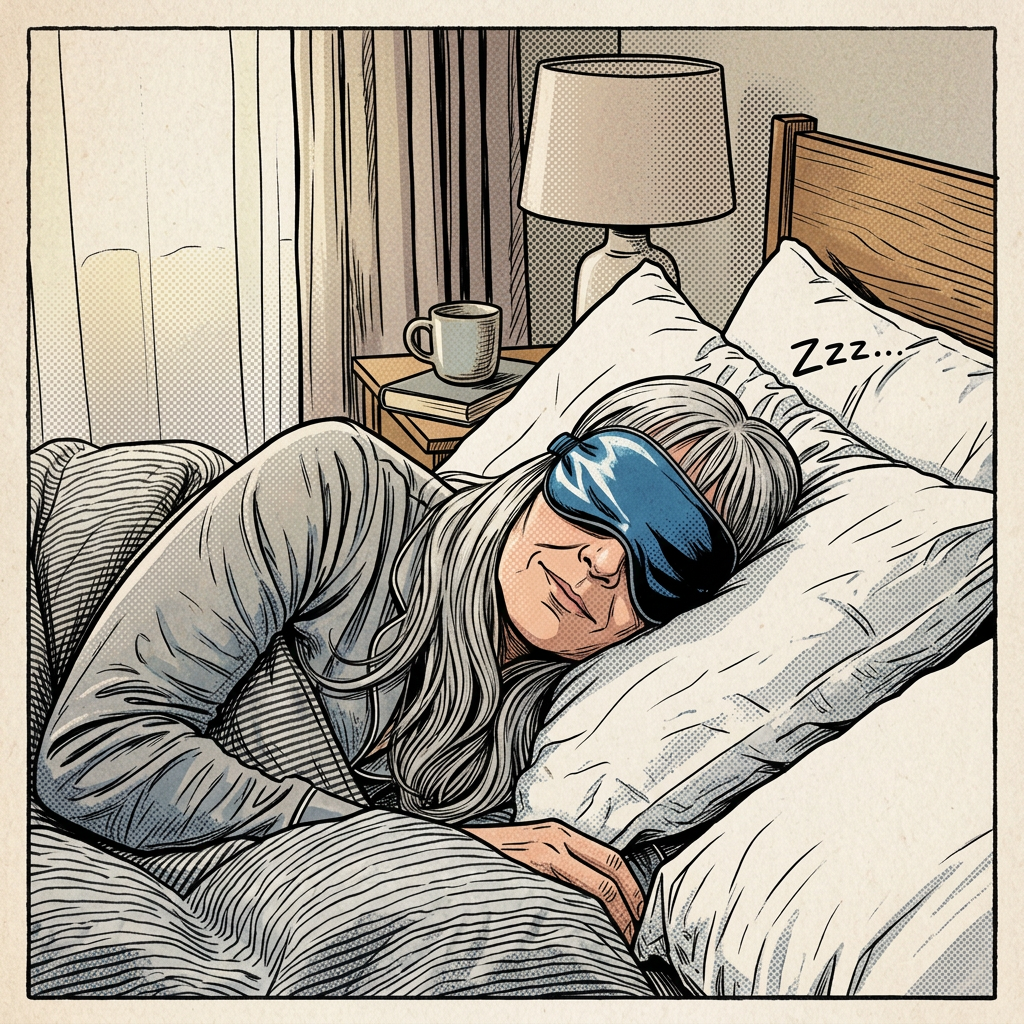
Sleep Problems
Many women in perimenopause struggle with sleep, even on nights when they don’t have night sweats. You might experience:
- Trouble falling asleep
- Waking up during the night for no clear reason
- Waking up too early and being unable to fall back asleep
- Feeling tired even after a full night’s sleep
Poor sleep affects everything – your mood, energy, concentration, and even your ability to cope with other symptoms.
Brain Fog and Memory Issues
Many women report cognitive changes during perimenopause:
- Difficulty concentrating on tasks
- Trouble finding the right words
- Forgetting things more often
- Feeling mentally “fuzzy” or unclear
While frustrating, these symptoms are temporary for most women and improve after menopause.
Physical Changes
Vaginal and Sexual Changes:
- Vaginal dryness
- Discomfort during sex
- Decreased libido (interest in sex)
- Changes in arousal or ability to orgasm
Urinary Changes:
- More frequent need to urinate
- Urgency (feeling like you need to go right away)
- More frequent bladder infections
Other Physical Symptoms:
- Headaches or migraines
- Joint and muscle aches
- Heart palpitations (feeling like your heart is racing or skipping beats)
- Breast tenderness
- Weight gain, especially around the middle
How Do You Know If You’re in Perimenopause?
Your doctor can usually tell you’re in perimenopause based on your symptoms and age. Generally, no laboratory tests are required for diagnosis.
However, if you’re younger than 40, if your symptoms are unclear, or if your doctor wants to rule out other health conditions, they might test your hormone levels. Keep in mind that hormone levels fluctuate significantly during perimenopause, so a single test might not give a complete picture.
What Helps During Perimenopause?
Lifestyle Strategies That Make a Difference
For Hot Flashes:
- Keep your bedroom cool (around 65°F or 18°C)
- Use fans or air conditioning
- Dress in layers so you can remove clothing easily
- Choose breathable, natural fabrics like cotton
- Avoid triggers: spicy foods, hot drinks, alcohol, caffeine, and stress
- Practice deep breathing or cooling techniques when a hot flash starts
For Better Sleep:
- Stick to a regular sleep schedule (same bedtime and wake time daily)
- Keep your bedroom dark, quiet, and cool
- Avoid screens (phones, tablets, TV) for at least an hour before bed
- Limit caffeine, especially after noon
- Try relaxation techniques like meditation or gentle yoga before bed
For Mood and Mental Health:
- Exercise regularly – it helps with mood, sleep, and stress
- Stay connected with friends and family
- Practice stress management (meditation, yoga, counseling)
- Don’t hesitate to ask for help when you need it
- Keep a symptom journal to identify patterns and triggers
For Overall Health:
- Exercise at least 150 minutes per week
- Eat a balanced diet rich in fruits, vegetables, and whole grains
- Maintain a healthy weight
- Don’t smoke (smoking worsens symptoms and brings on menopause earlier)
- Limit alcohol
For Vaginal Dryness:
- Use water-based lubricants during sex
- Use vaginal moisturizers regularly (not just during sex)
- Stay sexually active (this increases blood flow to the area)
When to See Your Doctor
Make an appointment if you experience:
- Heavy bleeding that requires changing pads or tampons every hour
- Periods lasting more than 7 days
- Bleeding between periods or after sex
- Symptoms that significantly disrupt your daily life
- Depression, anxiety, or thoughts of harming yourself
- Severe headaches or migraines
- Heart palpitations that concern you
Important Note About Pregnancy
Here’s something crucial to remember: You can still get pregnant during perimenopause.
Even if your periods are irregular or you’re skipping months, you might still ovulate occasionally. Contraception is recommended until menopause or age 50 to 55, since the specific age at which reproductive capacity ends is unknown.
Talk to your doctor about contraception options. Some methods (like low-dose birth control pills) can actually help manage perimenopause symptoms while preventing pregnancy.
Understanding the Emotional Journey
Perimenopause isn’t just a physical transition – it’s an emotional one too. You might feel:
- Frustrated by unpredictable symptoms
- Worried about getting older
- Concerned about changes in your body
- Relieved to understand what’s happening
- Empowered to take control of your health
All of these feelings are valid. This is a significant life transition, and it’s okay to have mixed emotions about it.
Checklist: Discussing Perimenopause with Your Doctor
Questions About Your Symptoms:
- [ ] Are my irregular periods normal for perimenopause, or should we investigate further?
- [ ] How heavy is too heavy for menstrual bleeding during perimenopause?
- [ ] My hot flashes are affecting my sleep/work/relationships – what can help?
- [ ] I’m experiencing mood changes – could this be related to perimenopause or something else?
- [ ] Are my symptoms severe enough to consider treatment?
- [ ] Could any of my symptoms be related to other health conditions?
Questions About Treatment Options:
- [ ] Am I a good candidate for hormone replacement therapy (HRT)?
- [ ] What’s the difference between systemic HRT and local estrogen therapy?
- [ ] Are there non-hormonal medications that could help my symptoms?
- [ ] What about natural or alternative treatments – do they work?
- [ ] If I start treatment, how long before I see improvement?
- [ ] How will we know if a treatment is working?
- What are the risks and benefits of each option for someone with my health history?
- [ ] What are the risks and benefits of each option for someone with my health history?
Questions About Fertility and Contraception:
- [ ] Can I still get pregnant during perimenopause?
- [ ] When can I safely stop using birth control?
- [ ] Are there contraceptive methods that might also help with perimenopausal symptoms?
- [ ] What are the signs that I’m no longer fertile?
Questions About Long-Term Health:
- [ ] When should I have a bone density test?
- [ ] Do I need any heart health screenings?
- [ ] Should I start taking calcium and vitamin D supplements?
- [ ] Are there preventive measures I should take now for my future health?
- [ ] How does perimenopause affect my risk for other health conditions?
Before Your Appointment:
- [ ] Track your symptoms for at least one month (periods, hot flashes, sleep, mood)
- [ ] Note the dates, duration, and heaviness of your periods
- [ ] Make a list of all medications and supplements you’re currently taking
- [ ] Write down your questions so you don’t forget them
- [ ] Bring a family health history if available
- [ ] Consider bringing a support person to help remember information
What’s Next?
Part 3, we’ll explore menopause itself – that important 12-month milestone. You’ll learn what’s happening in your body when you reach menopause, how to know when you’re there, and what to expect during this transition. So be sure to subscribe so you don’t miss it!
Or start from the beginning and read Part 1 which provides an overview of menopause. You can also checkout one of the many informative post we have related to menopause.

Take the anonymous menopause symptom survey and see compiled results instantly.
Share your experience and tips in the comments below or at The Marigold Woman Facebook Group. Don’t forget to sign up for our newsletter to stay up-to-date with our latest post!
This post was researched and drafted with the assistance of AI. All sources were reviewed and verified to the best of their ability by the editorial team.
Disclaimer: This blog is intended for informational purposes only and should not be considered legal or medical advice, diagnosis, or treatment. We strongly encourage readers to conduct their own research and consult with a qualified healthcare professional before making any decisions or changes to their health and medical routines. Marigold Brands and The Marigold Woman cannot be held accountable for any inaccuracies or adverse outcomes related to the information presented. We strive to provide accurate and up-to-date information. However, medical knowledge is constantly evolving, and individual experiences may vary. Sources and references are provided to support the content and enable readers to further explore topics and do not imply endorsement. Always consult with your healthcare provider before making significant changes to your health routine.
Resource Links
Trusted Medical Information
- National Institute on Aging – Menopause
- Office on Women’s Health – Menopause Basics
- Mayo Clinic – Menopause
- Cleveland Clinic – Menopause Overview
Medical Research
Menopause Organizations


Leave a Reply