
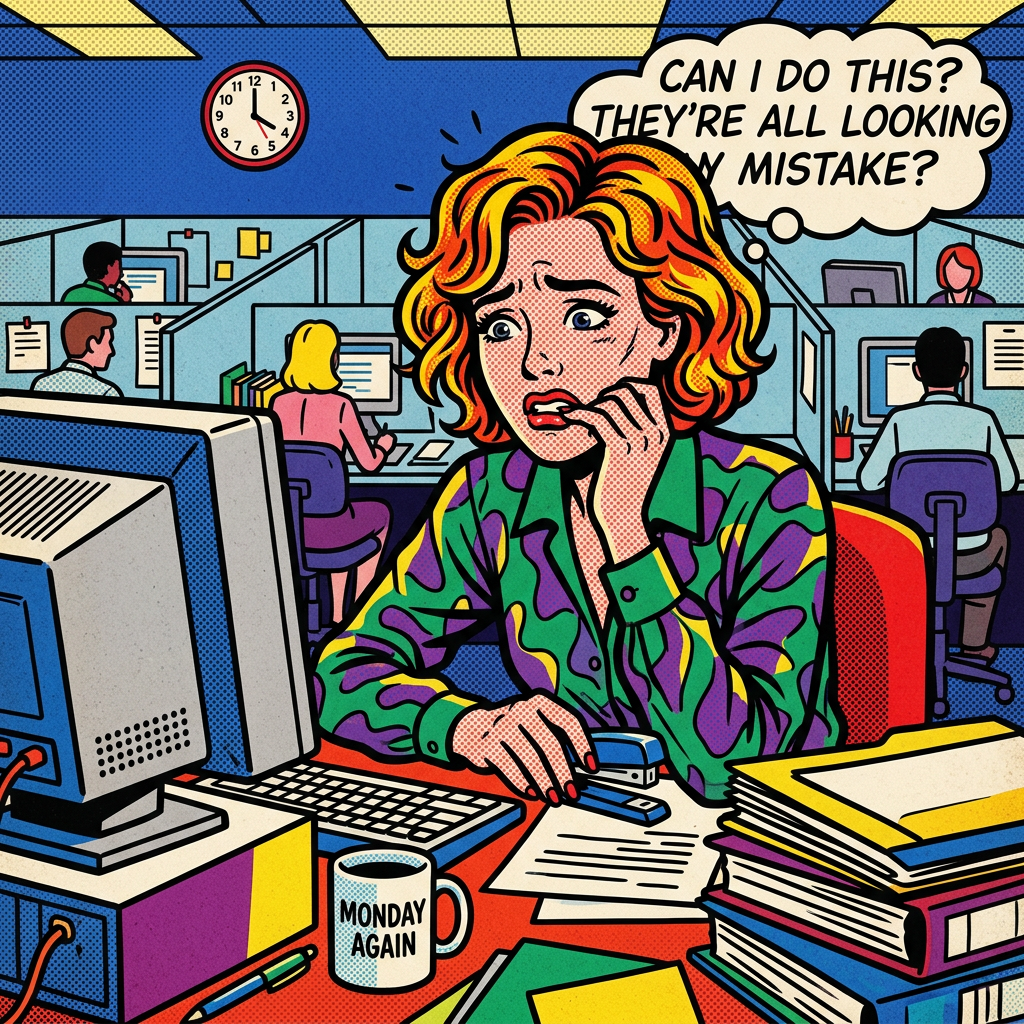
You’re Not Alone — Here’s What the Research Shows
If you’ve felt less sure of yourself at work lately — forgetting words mid-sentence, doubting decisions you used to make easily, or dreading a meeting because of a sudden hot flash — you are not imagining it, and you are not alone. This is one of the most common, and least talked about, parts of menopause and confidence at work.
Menopause is a normal stage of life, not a disease. It happens when a woman’s ovaries slow down and eventually stop making the hormones estrogen and progesterone. Most women go through this change between ages 45 and 55, and symptoms can last anywhere from two to eight years, according to the National Institute on Aging (NIH).
Those hormone changes don’t just affect the body — they affect the workplace, too. A study of hospital workers published in the medical journal Occupational Medicine found that work performance was impacted for 65% of women surveyed, and 18% had taken sick leave because of menopause symptoms.
A global survey by Korn Ferry and Vira Health of more than 8,000 women, reported by SHRM, found that up to 40% of women miss a few days to a week of work each month because of menopause symptoms.
Loss of confidence itself shows up directly in the data. A UK survey by the CIPD found reduced confidence, anxiety, and memory loss were common effects of menopause symptoms, and about one in six women had considered leaving their job because of a lack of support.
None of this means something is wrong with you. It means your body is going through a real, measurable change — and it is affecting millions of working women the same way.

What are your menopause-related rights in the workplace?Learn more.
Why Does This Happen? The Simple Science
Think of estrogen as more than just a “reproductive” hormone. It also helps your brain cells talk to each other, especially in the parts of the brain used for memory, focus, and mood.
Doctors at the Mayo Clinic explain that “brain fog” — trouble with memory, focus, and concentration — is a real symptom during menopause, not a sign of something more serious like dementia, and it tends to improve over time.
Here’s why it happens, in plain terms:
- Estrogen drops, and estrogen helps your brain fire on all cylinders. When levels fall, brain cells don’t communicate quite as smoothly, which can make thinking feel slower or foggier.
- Sleep gets disrupted. Hot flashes and night sweats often wake women up at night, and poor sleep makes it much harder to concentrate and stay patient the next day.
- Hot flashes themselves are stressful. As many as three out of four women get hot flashes, and having one in the middle of a meeting or presentation can be embarrassing and distracting — which chips away at confidence over time.
- Mood changes pile on. Shifting hormones can also affect mood, making self-doubt, irritability, or anxiety more common during this time.
The good news: research shows these symptoms are usually temporary and tend to ease once hormone levels settle down after menopause.
What You Can Do About It
You don’t have to just “push through” this quietly. Here are steps that can help you protect both your confidence and your career during menopause.
1. Name it, even just to yourself. Understanding that brain fog, mood swings, or low confidence are linked to hormone changes — not a personal failure — can lower the shame and stress around them.
2. Protect your sleep. Since poor sleep worsens brain fog and mood, small changes like a cool, dark bedroom and a consistent bedtime can make a real difference.
3. Track your symptoms. Write down when hot flashes, poor focus, or mood dips happen. This helps you spot patterns and gives your doctor useful information. The NIA-supported tool MyMenoplan.org can help you build a personalized plan.
The Marigold Woman is building an AI-powered menopause tracker. Sign up for release updates and early access before it launches to the public.
4. Talk to your manager if you’re comfortable. The CIPD study found that manager awareness and flexible working hours were the workplace supports women wanted most.
5. Talk to a healthcare provider about treatment options. Options like hormone therapy can ease hot flashes, improve sleep, and in turn help with brain fog and mood for many women, though it isn’t right for everyone.
6. Be kind to yourself. Confidence often returns as symptoms are managed and your body adjusts. This is a season, not a permanent state.
Checklist: What to Discuss With Your Healthcare Provider
- The specific symptoms you’re having (hot flashes, sleep trouble, poor concentration, mood changes, etc.) and how often they happen
- How your symptoms are affecting your work and daily life
- Whether hormone therapy (MHT/HRT) is a safe option for you, including the benefits and risks for your personal health history
- Non-hormone treatment options if hormone therapy isn’t right for you
- Sleep problems and possible solutions
- Mood changes, anxiety, or feelings that are hard to manage on your own
- Any family history of heart disease, blood clots, or cancer that could affect treatment choices
- A follow-up plan to check how treatment is working over time
Resources for Further Reading
- The Marigold Woman Menopause and Workplace post
- National Institute on Aging — What Is Menopause?
- Office on Women’s Health — Menopause Symptoms and Relief
- Mayo Clinic — Menopause
- MedlinePlus — Menopause
- CIPD — Menopause in the Workplace Report
- MyMenoplan.org — Free Personalized Symptom Tool (NIA-supported).
The Marigold Woman is building an AI-powered menopause tracker. Sign up for release updates and early access before it launches to the public.

Take the anonymous menopause symptom survey and see compiled results instantly.
Disclaimer: This blog is intended for informational purposes only and should not be considered legal or medical advice, diagnosis, or treatment. We strongly encourage readers to conduct their own research and consult with a qualified healthcare professional before making any decisions or changes to their health and medical routines. Marigold Brands and The Marigold Woman cannot be held accountable for any inaccuracies or adverse outcomes related to the information presented. We strive to provide accurate and up-to-date information. However, medical knowledge is constantly evolving, and individual experiences may vary. Sources and references are provided to support the content and enable readers to further explore topics and do not imply endorsement. Always consult with your healthcare provider before making significant changes to your health routine.
This post was researched and drafted with the assistance of AI. All sources were reviewed and verified to the best of their ability by the editorial team.




Leave a Reply