

“I feel like I’m becoming a different person as I get older. I’m more patient now, less worried about what others think, but also less adventurous. Is this normal?”
This concern resonates with countless women navigating their 50s and beyond. As we age, many of us notice shifts in our personality traits, behaviors, and emotional responses. These observations raise important questions: Are these changes real, or simply our perception? And if they are real, should we embrace them or resist them?
Research confirms these changes are not only real but often positive: our personalities do change as we age – typically for the better. Understanding this natural evolution can help us navigate our changing selves with greater confidence and self-compassion.
The Science Behind Personality Changes in Later Life
For decades, psychologists believed our personalities were essentially fixed by early adulthood. This assumption has been revolutionized by modern research, which reveals a far more dynamic picture of human development.
What Research Tells Us
Longitudinal studies now confirm personality can and does change for most people, contradicting earlier assumptions about fixed adult traits. These changes aren’t random fluctuations but follow predictable patterns that researchers have documented across cultures and generations.
The most comprehensive research focuses on the “Big Five” personality traits, which provide a framework for understanding how we think, feel, and behave:
- Conscientiousness (organization, responsibility, self-discipline)
- Agreeableness (cooperation, trust, empathy)
- Neuroticism (emotional instability, anxiety, moodiness)
- Extraversion (sociability, energy, assertiveness)
- Openness (creativity, curiosity, appreciation for new experiences)
Key Findings for Women Over 50
The research reveals encouraging patterns in how these traits evolve with age, particularly for women navigating midlife and beyond:
Increased Emotional Stability: Cross-sectional and growth curve analyses show aging is associated with greater emotional stability, meaning women over 50 typically experience less anxiety, mood swings, and emotional reactivity than their younger selves. This doesn’t mean we become emotionally numb – rather, we develop better emotional regulation and resilience.
Enhanced Agreeableness: Agreeableness is positively associated with age, reflecting increased cooperation, trust, and empathy with maturity. This evolution often manifests as greater patience with others’ flaws and a deeper capacity for understanding different perspectives.
Peak Conscientiousness in Midlife: Average levels of conscientiousness are highest for participants in middle age, explaining why many women in their 50s and 60s feel more organized and goal-oriented than ever before. This heightened conscientiousness often coincides with having the wisdom to focus on what truly matters.
Shifts in Openness and Extraversion: Extraversion and openness are negatively associated with age, representing a natural evolution toward deeper, more meaningful experiences over novel or highly social ones. Rather than becoming withdrawn, many women find themselves becoming more selective and intentional in their choices.
Why Do Our Personalities Change?
Understanding the science behind personality changes helps us appreciate these shifts as natural adaptations rather than concerning developments. Several interconnected factors drive these transformations.
Biological Factors
Our brains undergo subtle but significant changes with aging that influence personality traits. Research shows neuroticism is a risk factor for cognitive decline, while openness appears protective. This knowledge empowers us to make intentional choices about nurturing protective traits and managing potentially challenging ones.
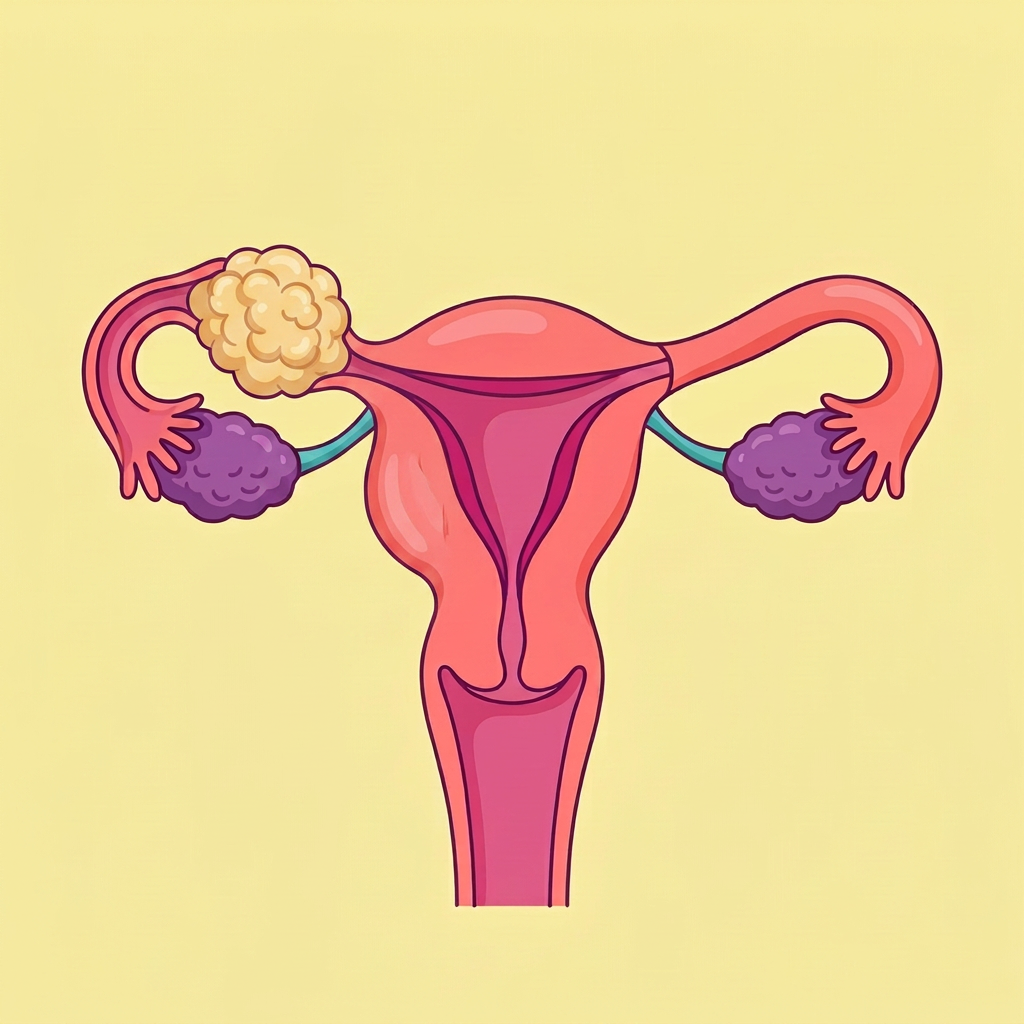
Menopause and Hormonal Impact: For many women over 50, menopause represents a particularly significant biological influence on personality. Research confirms menopause increases vulnerability to depression and anxiety, perhaps via estrogen fluctuations affecting serotonin and GABA neurotransmitter systems.
The hormonal changes of menopause create a unique intersection with personality development. Studies show underlying neuroticism is a risk factor for menopausal mood changes, while estrogen withdrawal alters the balance of serotonin and dopamine, increasing irritability and mood fluctuations. However, understanding these connections allows us to navigate this transition more skillfully.
Life Experience and Wisdom
Decades of accumulated experiences naturally shape our personalities in profound ways. Each challenge overcome, relationship navigated, and lesson learned contributes to our evolving sense of self. Studies indicate older adults appraise and remember events less negatively and more positively with age.
This “positivity effect” reflects not naive optimism, but genuine wisdom – the ability to distinguish between what deserves our emotional energy and what doesn’t. It explains why many women over 50 report increased optimism and resilience, even in the face of life’s inevitable difficulties.
Social and Cultural Influences
The transition into our 50s and beyond brings significant role changes that create opportunities for personality growth. We shift from active parenting to empty nesting, from peak career demands to retirement planning, from caring for elderly parents to potentially becoming grandmothers ourselves.
Menopause as a Life Transition: Beyond its biological effects, menopause represents a major psychosocial transition. About 4 in 10 women experience mood symptoms during perimenopause similar to PMS, including irritability, low energy, and moodiness.
Yet research reveals an empowering truth: studies demonstrate that most menopausal symptoms reflect individual and social circumstances rather than solely endocrine events. This means our personality traits significantly influence how we experience this transition, giving us agency in shaping our menopausal journey.
Common Personality Transformations: Patterns in Women’s Experiences
The research statistics take on deeper meaning when we see how they play out in everyday life. These patterns illustrate the complex interplay between natural aging processes and the unique challenges of midlife transitions.
The Journey from Anxiety to Confidence
Many women describe a gradual shift from persistent worry to greater emotional stability. This transformation often includes reflections like: “In my younger years, I was constantly worried about making mistakes at work, what people thought of me, even whether I was being a good enough mother. Now, I’ve realized perfectionism was exhausting me. I’m much more confident in my decisions and far less anxious about outcomes I can’t control.”
This common experience beautifully illustrates the research on decreased neuroticism with age, showing how emotional stability naturally improves over time. For women navigating menopause, this journey toward greater confidence may include temporary detours – hormonal fluctuations can temporarily increase anxiety – but the ultimate destination remains one of enhanced emotional resilience.
The Evolution from Quantity to Quality in Relationships
Another frequent transformation involves changing social preferences and energy allocation. Women often describe this shift: “I used to be the life of every party. But now I prefer intimate dinners with close friends over large gatherings. I’m not less social – I’m more selective about how I spend my energy.”
This pattern exemplifies the natural decrease in extraversion documented in research, but it’s far from a retreat from life. Instead, it represents a sophisticated understanding of where our energy is best invested. During perimenopause, when mood changes can temporarily affect social preferences, many women discover this evolution leads to deeper, more satisfying relationships than they ever thought possible.
The Transformation from People-Pleasing to Authentic Boundary-Setting
Perhaps no shift feels more liberating than the evolution from chronic people-pleasing to authentic self-expression. This transformation often sounds like: “I spent decades saying yes to everything and everyone. Now I’m comfortable saying no when something doesn’t align with my values or energy. Some people think I’ve become ‘difficult,’ but I think I’ve become authentic.”
This common evolution reflects the healthy boundary-setting that comes with increased conscientiousness and hard-won maturity. For women experiencing menopause, this process can feel particularly intense – hormonal changes can temporarily increase irritability – but what emerges is often a clearer sense of personal boundaries and authentic self-expression that serves them well for decades to come.
Managing Personality Changes in Yourself
Armed with understanding about why and how our personalities evolve, we can approach these changes with greater intentionality and self-compassion. The goal isn’t to resist natural development but to guide it wisely.
Embrace the Positive Changes
Rather than taking our growth for granted, actively celebrating positive personality changes can reinforce and strengthen them.
Celebrate increased emotional stability: Your enhanced ability to handle stress and regulate emotions is a genuine superpower. Use this strength to take on new challenges that once felt overwhelming or to become a source of calm guidance for others navigating difficult situations.
Leverage your conscientiousness: The improved organization and goal-setting abilities that peak in midlife represent a perfect storm of wisdom and capability. This is an ideal time to pursue long-delayed dreams or make significant life changes with the confidence that comes from knowing yourself deeply.
Value your evolved agreeableness: Your increased empathy and cooperation skills make you an invaluable mentor, friend, and family member. These traits, refined by decades of experience, allow you to build bridges and heal relationships in ways that weren’t possible in your younger years.
Navigate the Challenging Aspects
Even positive personality changes can present challenges that require thoughtful attention and proactive strategies.
Address decreased openness thoughtfully: While you may naturally feel less inclined to seek novel experiences, avoiding rigidity requires conscious effort. Deliberately expose yourself to new ideas, cultures, or activities in small, manageable doses that honor both your evolved preferences and your need for continued growth. For women experiencing menopause, when estrogen fluctuations can temporarily affect cognitive flexibility, this practice becomes especially important for maintaining mental agility.
Balance social changes wisely: The natural shift toward lower extraversion doesn’t mean isolation – it means intentionality. Quality over quantity in relationships represents healthy evolution, but maintaining enough social connection for wellbeing remains crucial. During menopause, when mood symptoms may temporarily affect social motivation, be patient with yourself while consciously maintaining important connections.
Monitor concerning changes: While most personality evolution is positive, neuroticism can increase and conscientiousness can decline in some cases, particularly when related to health issues. For women experiencing menopause, this vigilance is especially important since women with a history of depression have a 70% higher risk of experiencing menopausal depression. Professional support during this transition isn’t just helpful – it’s wise prevention.
Practical Strategies for Personal Growth
Translating research insights into daily practice requires specific, actionable strategies:
- Practice self-reflection: Regular journaling or meditation helps you recognize and understand your evolving personality traits, creating space to appreciate growth and identify areas needing attention.
- Maintain cognitive flexibility: Challenge yourself intellectually through reading, puzzles, or learning new skills to preserve openness and prevent mental rigidity.
- Cultivate meaningful relationships: Focus energy on deepening existing friendships rather than constantly expanding your social circle – quality connections that can weather life’s changes.
- Set boundaries with confidence: Use your increased emotional stability to establish healthy limits in relationships and commitments without guilt or excessive explanation.
- Pursue purpose-driven activities: Channel your enhanced conscientiousness into volunteer work, mentoring, or passion projects that align with your values and utilize your accumulated wisdom.
- Navigate menopause mindfully: If you’re experiencing menopause, recognize that temporary mood changes and personality fluctuations are normal parts of this transition. Understanding that personality traits can influence how you experience menopausal symptoms empowers you to develop personalized coping strategies that work with, rather than against, your natural tendencies.
Understanding and Supporting Others’ Personality Changes
Just as we’re evolving, so are the people around us. Understanding these natural changes in friends, family members, and partners can deepen our relationships and reduce unnecessary conflict during what can already be a challenging life stage.
Recognizing Changes in Friends and Family
As those around you age, you might notice personality shifts that initially seem puzzling or concerning. A previously outgoing friend might prefer smaller gatherings, a formerly flexible family member might become more set in routines, or someone who was once highly agreeable might now be more direct or assertive.
Rather than viewing these changes as problems to solve, consider them natural adaptations to accumulated life experience and biological changes. The friend who now prefers intimate dinners has likely learned to value deep connection over surface-level socializing. The family member with more rigid routines may be using increased conscientiousness to create stability in an uncertain world.
Supporting Others Through Changes
Practice patience and understanding: Personality changes typically unfold gradually and often represent positive adaptations to life circumstances. What might initially seem like stubbornness could actually be healthy boundary-setting, and what appears as withdrawal might be thoughtful selectivity.
Communicate openly and compassionately: If someone’s personality changes concern you, have gentle conversations about your observations rather than making assumptions about their motivations. Ask questions like “I’ve noticed you seem to prefer quieter gatherings lately – how are you feeling about social activities these days?” rather than making statements like “You never want to do anything fun anymore.”
Avoid labeling and instead seek understanding: Resist the urge to use dismissive language like “You’ve become so stubborn” or “You’re not fun anymore.” Instead, try to understand the wisdom behind the changes. The “stubbornness” might be hard-won self-advocacy, and the reduced “fun-seeking” might reflect a more sophisticated understanding of what brings genuine joy.
Appreciate growth and evolution: Recognize that personality changes often represent increased authenticity and self-awareness rather than decline. The person who’s become more selective about commitments has likely learned valuable lessons about energy management and priorities.
When to Seek Professional Support
While most personality changes with aging are normal and healthy, certain patterns warrant professional attention and support:
- Dramatic, sudden personality changes that seem disconnected from life circumstances
- Increased aggression or hostility that disrupts relationships
- Severe withdrawal from all social activities and previously enjoyed pursuits
- Extreme mood swings or emotional instability that interferes with daily functioning
- Personality changes accompanied by memory problems, confusion, or cognitive decline
- For women experiencing menopause: persistent depression, anxiety, or mood changes that significantly interfere with daily functioning or relationships
The key difference between normal personality evolution and concerning changes lies in their impact on functioning and wellbeing. Natural changes typically lead to greater life satisfaction over time, even if they require adjustment periods. Problematic changes tend to create persistent distress and impairment.
The Silver Lining: Why Personality Changes Can Be Positive
After exploring the science, examples, and strategies for managing personality changes, it’s worth stepping back to appreciate the bigger picture. The personality changes that come with aging often represent some of life’s most valuable gifts.
Increased Authenticity
Research confirms that with age, women are increasingly likely to say they have grown into their authentic selves, attributing this growth to an accumulation of wisdom and lived experiences. This authenticity emerges from decades of learning what truly matters and developing the courage to live accordingly.
The decreased need for external validation that often accompanies aging can be profoundly liberating. When we no longer require constant approval from others, we become free to make choices based on our own values, desires, and accumulated wisdom rather than social expectations or fears of judgment.
Enhanced Emotional Intelligence
The research showing that older adults appraise and remember events less negatively and more positively with age isn’t just a statistical curiosity – it represents a fundamental shift in emotional wisdom. This positivity effect doesn’t mean we become naive or lose our critical thinking abilities. Instead, we develop sophisticated emotional intelligence that allows us to invest our emotional energy where it will do the most good.
This emotional wisdom contributes to better relationships, greater life satisfaction, and a more nuanced understanding of what deserves our worry and what doesn’t. It’s the difference between the anxiety of inexperience and the calm confidence of someone who has weathered many storms and knows they can handle whatever comes next.
Freedom to Be Selective
What might appear as decreased openness or extraversion often represents something more valuable: the freedom to be selective. When we no longer feel compelled to say yes to every invitation, explore every opportunity, or please every person, we gain the ability to make choices that truly serve our wellbeing and align with our values.
This selectivity isn’t about becoming closed-minded or antisocial – it’s about developing the wisdom to recognize where our time and energy will be most meaningful and fulfilling. It’s the difference between being busy and being purposeful.

Read about making new friends after age 50
Looking Forward: Embracing Your Evolving Self
The personality changes many women experience after 50 aren’t signs of decline but of growth. These changes represent increased patience while finding new ways to maintain adventure through carefully chosen experiences.
Your personality at 50, 60, and beyond represents the culmination of your life experiences, wisdom, and authentic self-expression. Rather than mourning your younger self, celebrate the emergence of a more emotionally stable, conscientious, and genuinely content person.
Research confirms people remain mostly consistent with their personality over time, but subtle positive changes do occur between high school and retirement. These shifts are typically adaptive and beneficial.
The question isn’t whether your personality will change as you age – it’s how you’ll embrace these natural evolutions to create your most fulfilling life chapter.
If you’re concerned about significant personality changes in yourself or others, consult with healthcare providers or mental health professionals for personalized guidance. For women experiencing menopause, discussing both physical and emotional changes with healthcare providers can lead to comprehensive support strategies.
Resources and Further Reading
Scientific Studies and Articles
- Age Differences in the Big Five Across the Life Span: Evidence from Two National Samples – PMC
- Future Directions in the Study of Personality in Adulthood and Older Age – PMC
- Social and Emotional Aging – PMC
- Does personality affect the cognitive decline in aging? A systematic review – PubMed
- Does menopause elevate the risk for developing depression and anxiety? Results from a systematic review – PMC
- Personality, Menopausal Symptoms, and Physical Activity Outcomes in Middle-Aged Women – PMC
- Psychological Changes at Menopause – Sage Journals
Professional Organizations
- American Psychological Association (APA) – Division 20: Adult Development and Aging
- National Institute on Aging
- American College of Obstetricians and Gynecologists (ACOG)
- North American Menopause Society (NAMS)
Online Resources
- Psychology Today’s Aging and Mental Health section
- AARP
- Harvard Health – Menopause and Mental Health
Share your experience and tips in the comments below or at The Marigold Woman Facebook Group. Don’t forget to sign up for our newsletter to stay up-to-date with our latest post!
This post was researched and drafted with the assistance of AI. All sources were reviewed and verified to the best of their ability by the editorial team.
Disclaimer: This blog is intended for informational purposes only and should not be considered legal or medical advice, diagnosis, or treatment. We strongly encourage readers to conduct their own research and consult with a qualified healthcare professional before making any decisions or changes to their health and medical routines. Marigold Brands and The Marigold Woman cannot be held accountable for any inaccuracies or adverse outcomes related to the information presented. We strive to provide accurate and up-to-date information. However, medical knowledge is constantly evolving, and individual experiences may vary. Sources and references are provided to support the content and enable readers to further explore topics and do not imply endorsement. Always consult with your healthcare provider before making significant changes to your health routine.


Leave a Reply