

This article is for informational and educational purposes only and is not intended as a substitute for professional medical advice, diagnosis, or treatment. Always consult your physician or other qualified healthcare provider with any questions you may have regarding a medical condition or before making changes to your healthcare routine. This is especially important when addressing topics like intimacy after 50.
Aging brings change, sure—but it doesn’t mean the end of desire, pleasure, or passion. In fact, for many, intimacy after 50, specifically sex after 50 becomes deeper, freer, and more fulfilling than ever before. This chapter of life can be one of liberation: fewer expectations, more self-awareness, and a clearer sense of what brings true connection.
So let’s challenge the outdated assumptions and explore the real story of intimacy after 50. Whether you’re in a long-term relationship, newly dating, or reconnecting with yourself, there’s a lot to celebrate—and a lot to discover.
The Truth About Intimacy After 50 and Sex After 50
Let’s start with some straight talk: people in their 50s, 60s, 70s, and beyond are still having sex. Studies synthesized by The Journal of Sex found that “…(a) men and women remain sexually active into their 70s and 80s, (b) aging-related physical changes do not necessarily lead to decline in sexual functioning1…” And while frequency may decrease slightly with age, the quality and emotional depth of intimacy often increase.
That’s because desire doesn’t disappear—it evolves. Emotional connection, meaningful touch, communication, and feeling safe with a partner can become more important than the physical act alone. Sex becomes less about performance and more about presence.
1 DeLamater, J. (2012). Sexual Expression in Later Life: A Review and Synthesis. The Journal of Sex Research, 49(2–3), 125–141. https://doi.org/10.1080/00224499.2011.603168
Common Changes of Sex After 50—And How to Navigate Them
As our bodies change, so do our experiences of sex and intimacy. But these changes aren’t necessarily barriers—they’re invitations to explore new dimensions of pleasure.
Hormonal Shifts
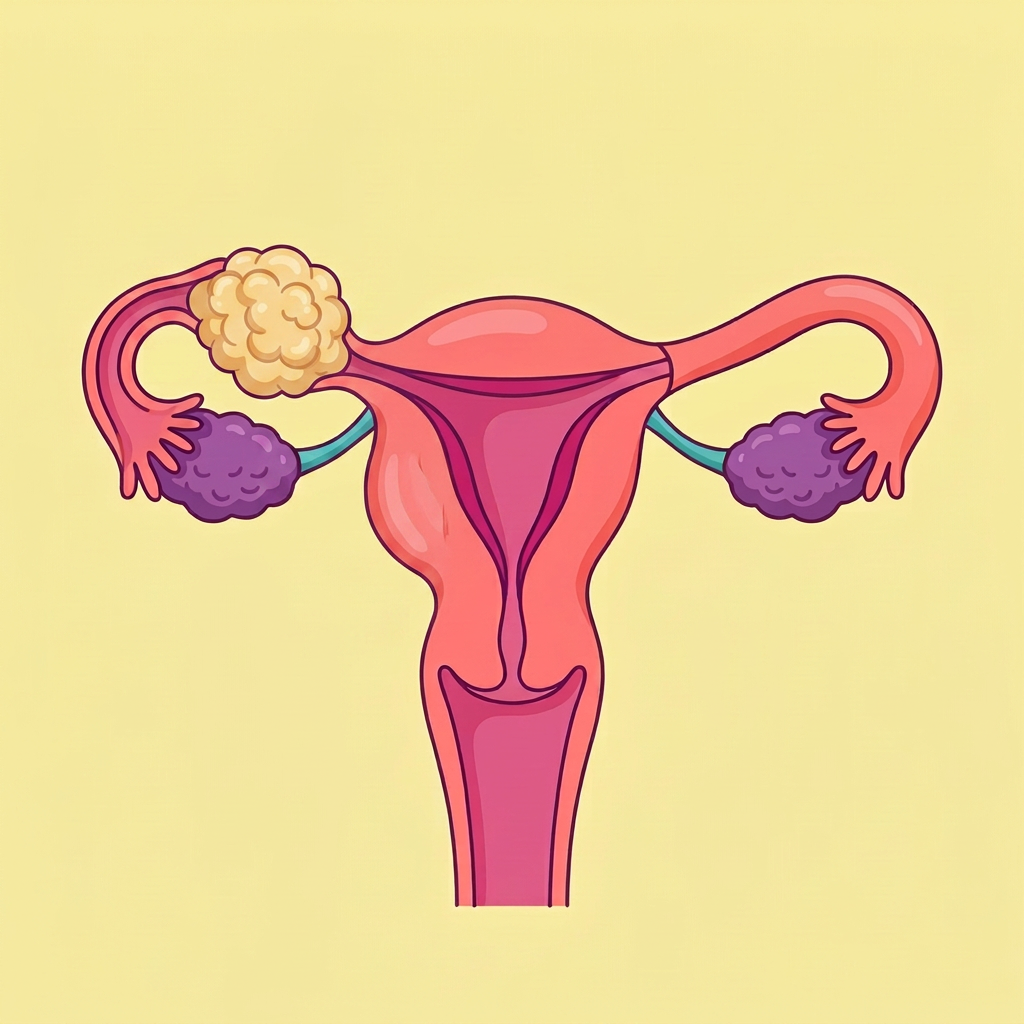
For women, menopause can bring vaginal dryness, thinning vaginal walls, and changes in libido. But it’s not the end of desire—just a new phase of it. Products like lubricants and vaginal moisturizers, and treatments like hormone therapy, can help ease physical discomfort. More importantly, open communication with a partner and your doctor can be key to maintaining intimacy.
For men, erections may take longer or require more stimulation. Conditions like diabetes or heart disease can affect sexual performance, but solutions like medications (e.g., Viagra), healthier habits, and realistic expectations often restore confidence and pleasure.
➡️ The bottom line? These physical changes don’t mean the end of sex—they just invite a different kind of attentiveness.
Health Conditions
Chronic issues like arthritis, high blood pressure, or medication side effects can also impact sexual function. But rather than giving up on intimacy, many couples find creative ways to adapt—whether it’s changing positions, pacing things differently, or focusing more on sensual connection than intercourse.
Body Image and Confidence
It’s no secret: bodies change with time. But your worth, your sensuality, and your capacity for intimacy are not tied to youthful skin or flat stomachs. In fact, many people report feeling more confident, more free, and less self-critical in their 50s and beyond. Aging can strip away superficial concerns and deepen self-acceptance, which is incredibly sexy.
Myths to Ditch about sex after 50
Cultural narratives often treat sex as a young person’s game, that intimacy after 50, and specifically sex after 50, doesn’t exist—but they couldn’t be more wrong. These outdated beliefs not only erase the experiences of older adults, but they also create unnecessary shame and silence.
Let’s bust a few common myths:
🚫 Myth: Older people don’t have sex.
✅ Truth: They do—and often with greater satisfaction than in their younger years.
🚫 Myth: Men lose all sex drive.
✅ Truth: While testosterone declines, emotional intimacy and affection can fuel desire just as powerfully.
🚫 Myth: Women stop wanting sex after menopause.
✅ Truth: Some women actually report increased libido, freed from concerns about pregnancy or societal pressure.
Sex isn’t just for the young—it’s for the curious, the connected, and the courageous.
Tips for a Thriving Sex Life After 50
Now that we’ve cleared up the myths, let’s talk about what can help make sex after 50 joyful, connected, and deeply satisfying. Think of this as your toolkit for lifelong pleasure.
- 🌺 Communicate openly – Talk about what feels good, what’s changed, and what you’d like to try. Honest conversation builds trust and closeness.
- 🌺 Be curious, not critical – Let go of what sex “should” look like and explore what feels good now. That might mean slower touch, sensual massage, or trying something completely new.
- 🌺 Prioritize intimacy, not just intercourse – Holding hands, cuddling, kissing, or sharing a bath can be deeply erotic and emotionally fulfilling.
- 🌺 Use lube and moisturizers – Silicone or water-based lubricants can make everything more comfortable and pleasurable.
- 🌺 See a sex therapist or counselor – If challenges arise, a sex-positive professional can offer strategies and support.
- 🌺 Get playful – Try different positions, new locations, sensual music, or even read erotic stories together.
- 🌺 Listen to your body – Take your time. Pleasure at this stage is less about urgency and more about presence.
- 🌺 Move your body and eat well – Regular exercise and healthy diets support circulation, energy, confidence, and mood—all of which contribute to a healthy sex life.
Helpful Resources and Support
You don’t have to figure this all out on your own. There are tools, books, and communities designed specifically for sexual well-being after 50.
🧰 Online Resources
- Mayo Clinic: Sex After 50 – practical advice for common concerns
- AARP: Love and Sex After 50 – articles, surveys, and expert advice
- OMGYES – evidence-based techniques for female pleasure
- North American Menopause Society – menopause and sexual health info
- National Institute of Health (NIH) – sexuality and Intimacy in older adults
📘 Recommended Reading
- Sex for One by Betty Dodson
- The Joy of Sex: Ultimate Revised Edition by Alex Comfort
- Come As You Are by Emily Nagoski
💬 Therapy
- ASECT: Find a certified sex therapist in your area
Final Thought: Redefining Pleasure on Your Terms
Sex after 50 is about intimacy that feels safe, exciting, healing, and real. Whether you’re partnered, newly dating, or reconnecting with your own body, this chapter is yours to write.
Pleasure doesn’t have an expiration date, so give yourself permission to be intimate and experience it.
This post was researched and drafted with the assistance of AI. All sources were reviewed and verified to the best of their ability by the editorial team.
Disclaimer: This blog is intended for informational purposes only and should not be considered legal or medical advice, diagnosis, or treatment. We strongly encourage readers to conduct their own research and consult with a qualified healthcare professional before making any decisions or changes to their health and medical routines. Marigold Brands and The Marigold Woman cannot be held accountable for any inaccuracies or adverse outcomes related to the information presented. We strive to provide accurate and up-to-date information. However, medical knowledge is constantly evolving, and individual experiences may vary. Sources and references are provided to support the content and enable readers to further explore topics and do not imply endorsement. Always consult with your healthcare provider before making significant changes to your health routine.
Share your experience and tips in the comments below or at The Marigold Woman Facebook Group. Don’t forget to sign up for our newsletter to stay up-to-date with our latest post!

Leave a Reply