

Transparency Note: We carefully select and recommend products based on their quality and usefulness to our readers. Some links in this article are affiliate links, meaning we may earn a small commission at no extra cost to you. Your support helps us continue creating valuable content.
For many women, a good cup of coffee is more than just a pick-me-up—it’s a ritual. Whether it’s part of your morning routine or a midday boost, coffee has been linked to some surprising health benefits, especially for women over 50. But before you reach for that cup, it’s important to consider both the positives and potential drawbacks of coffee as we age.
Coffee and health: A balanced Approach
Coffee has a rich history that stretches back centuries. It’s believed to have been discovered in Ethiopia, where legend tells of a goat herder named Kaldi noticing his goats becoming unusually energetic after eating coffee berries. By the 17th century, coffee had made its way through the Arabian Peninsula and to Europe, becoming a common global beverage enjoyed in many forms, from espresso to cappuccino to the classic drip coffee we know today.
Moderate coffee consumption, defined as around three to four cups per day, has been shown to provide several health benefits that are especially relevant for women in their 50s and beyond. Research has found that coffee can lower the risk of developing Type 2 diabetes, heart disease, and even Parkinson’s disease. Additionally, coffee’s ability to improve mental alertness and mood can be a significant boost as we navigate the changes of all stages of menopause.
Coffee may also help women maintain cognitive function. Studies have linked regular coffee intake with a reduced risk of depression and other mood disorders, providing an important lift for mental well-being.
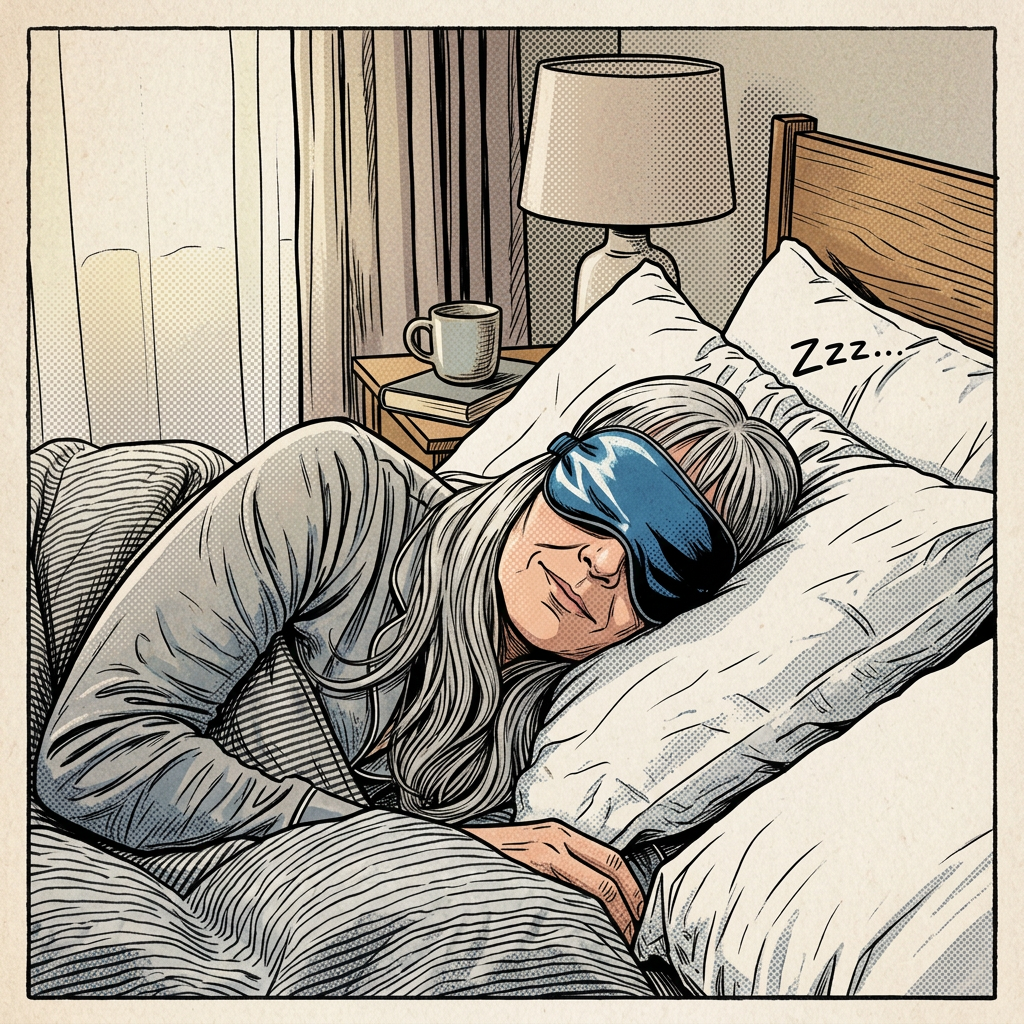
While coffee offers benefits, it’s not all good news. Some women may find that caffeine disrupts sleep, especially during perimenopause and postmenopause. Caffeine can worsen insomnia, a common challenge during this time. Additionally, vasoconstriction—also known as the narrowing of blood vessels and caused by the stimulant effect of caffeine—can contribute to hot flashes. Coffee, when consumed daily in larger amounts, can lead to caffeine dependence, which, if withheld, can cause headaches, fatigue, irritability, depression, and difficulty concentrating. If you’re experiencing any of these symptoms, it might be worth cutting back on coffee or switching to decaffeinated options, as well as consulting your physician.
To keep your coffee routine as healthy as possible, consider how you prepare it. Additives like sugar, flavored syrups, or fatty dairy products can quickly turn your coffee into a high-calorie beverage. Instead, opt for healthier choices like almond or oat milk, or even just a splash of skim milk. If you’re looking to reduce your sugar intake, try sweeteners like stevia or monk fruit, though some may find their taste unpleasant.
Coffee Choices for Women 50+
A great cup of coffee has always been the result of choosing the best quality beans and equipment. Fresh coffee beans, ground and then brewed or steeped with the right equipment, can not only improve the taste but also maximize the health benefits. Freshly ground coffee has more antioxidants, oils, and aromatics and is less acidic. Freshness is the key. Try to buy beans roasted within 2–6 weeks of use. If you have a local roaster, try their beans. It may be a little more costly, but the difference in flavor can be worth it, with the added benefit of supporting a local business. Buy only whole beans and grind only what you are going to use right before you brew. Remember, the roast—light, medium, or dark—makes a difference in flavor, with acidity and bitterness typically increasing as the roast gets darker.
You have good quality beans, so what’s next? A coffee machine that suits your style and price point. The most common coffee machine is the drip coffee maker, available in many styles and prices. They typically require paper filters, though some come with a reusable mesh basket filter. They also come in a variety of sizes. Here are some examples of good-quality coffee makers:
Drip Coffee Makers: Simple and Efficient
- Ninja 12-Cup Programmable Coffee Maker: Features include delayed brewing, a 60-ounce water reservoir, a reusable filter, and two brew strengths. It is highly rated and affordable. Get it here.
- KRUPS 5-Cup Coffee Maker: A small, no-nonsense option that takes up less counter space and features a reusable filter. Ideal for smaller households. Get it here.
French Press: For a Richer Experience
The French Press style of coffee maker has many fans. It’s a little more time-consuming to make as you have to boil water separately, but allows you to decide your preferred steeping time. A coarser grind of beans is recommended to get the full flavor.
- Bodum 34-Ounce Chambord French Press: A simple, Portuguese-made French press that allows you to customize steeping time. Get it here.
Espresso Machines: Bold and Energizing
My household enjoys espresso. It is somewhat more complicated to brew, requires a very fine grind of beans, but provides a huge coffee flavor. We use Breville’s The Bambino espresso machine. It has a small footprint and is affordable compared to many espresso makers.
- Breville Bambino Espresso Machine: A compact and affordable espresso maker with an attached steamer for frothing milk or cream. It delivers smooth, creamy espresso. Get it here.
The Grinder Matters: Why Freshly Ground Beans Are Essential
High-quality beans and coffee makers work best with a high-quality grinder. No matter which brewing method you prefer, a good coffee grinder is a must. A good grinder is as important as a good coffee maker and ensures you extract the best flavors from the beans, producing a richer, less bitter, and more flavorful cup of coffee. A grinder that adjusts from coarse to fine grinds gives you more control for different types of coffee makers, along with a variety of flavor intensities. Grinders come in a variety of quality and price points. Avoid grinders that are built into the coffee or espresso machine, as they are typically lower quality.
The most basic grinder is the small blade grinder. These are inexpensive, but the results are poor. The beans are ground inconsistently, and fine grinds are not achievable. They also generate heat, which is transferred to the beans and can adversely affect the taste. Avoid these. The burr grinder is a better choice, available with a conical burr or a flat burr. Burr grinders give you a consistent grind and transfer less heat to the beans.
- The Baratza Sette 270 is the Cadillac of grinders, and if you pair it with an espresso maker like the Breville Bambino, you will achieve barista-level results. You can fine-tune your grind level to dial in the flavor of the roast and also choose the dose, or amount of coffee you want to grind. Get it here.
- The Baratza Encore ESP is another excellent grinder that allows you to adjust the grind level. The burrs are removable for cleaning or replacement (they do wear down with use), and other parts can be replaced, ensuring it is not just another disposable appliance. Get it here.
- Lastly, if you want to spend a little less, the OXO is a good choice. It features a high level of grind adjustment to fine-tune the flavor you prefer. Get it here.
The Takeaway
Coffee is more than just a beverage—it’s part of many women’s daily routines and can be both enjoyable and beneficial. In moderation, it can offer perks like improved mood, increased mental alertness, and better heart health. However, if you’re experiencing symptoms like sleep disruptions or heightened anxiety, consider adjusting your intake or opting for decaf. Ultimately, coffee should be enjoyed in a way that supports your health and well-being as you navigate life after 50. So, go ahead—sip your coffee and enjoy all the benefits it brings, as long as you listen to your body and make adjustments as needed. Cheers to great coffee and good health!
Sources:
- Harvard T.H. Chan School of Public Health: Coffee and Health Benefits
- Harvard Health Publishing: Coffee: More Links to Health Than Harm
Share your experience and tips in the comments below or at The Marigold Woman Facebook Group. Don’t forget to sign up for our newsletter to stay up-to-date with our latest post!
This post was researched and drafted with the assistance of AI. All sources were reviewed and verified to the best of their ability by the editorial team.
Disclaimer: This blog is intended for informational purposes only and should not be considered legal or medical advice, diagnosis, or treatment. We strongly encourage readers to conduct their own research and consult with a qualified healthcare professional before making any decisions or changes to their health and medical routines. Marigold Brands and The Marigold Woman cannot be held accountable for any inaccuracies or adverse outcomes related to the information presented. We strive to provide accurate and up-to-date information. However, medical knowledge is constantly evolving, and individual experiences may vary. Sources and references are provided to support the content and enable readers to further explore topics and do not imply endorsement. Always consult with your healthcare provider before making significant changes to your health routine.

Leave a Reply