
What Is Late Menopause?
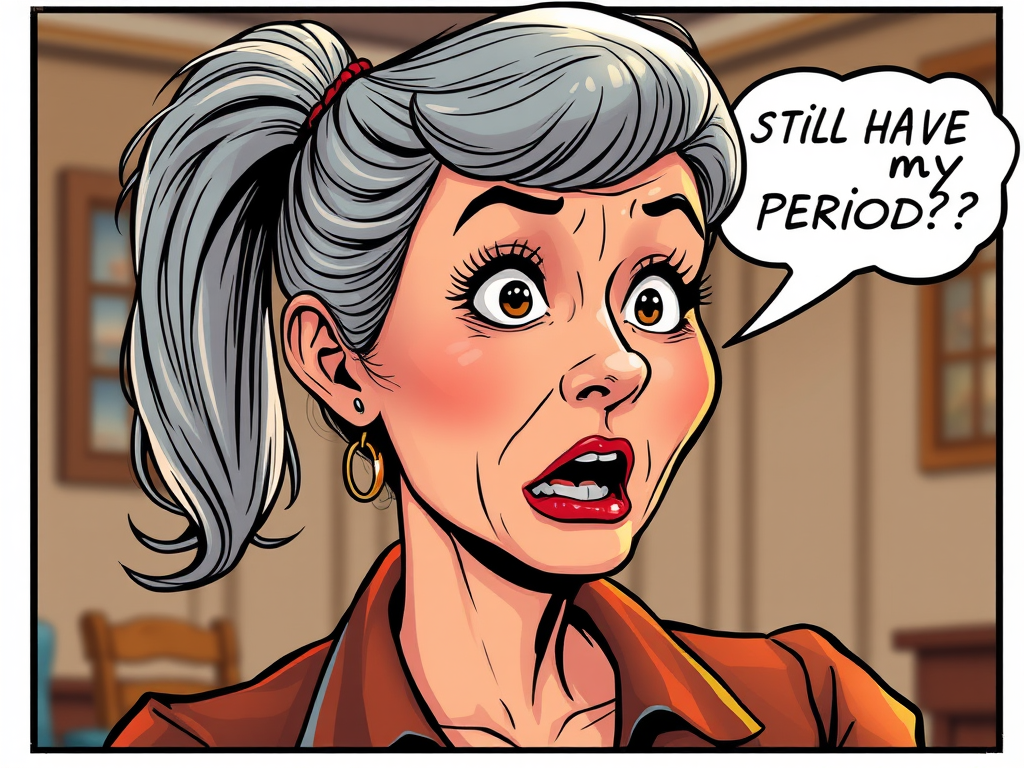
If you’re over 50 and your friends have started talking about hot flashes and the end of their periods, but you’re still having regular monthly cycles, you might be wondering if something is wrong. Don’t worry, you’re experiencing what doctors call late-onset menopause, and it’s completely normal.
The average age of menopause in the United States is 52, with most women entering menopause between ages 45 and 55. When menopause happens after age 55, it’s called late-onset menopause. Just like some women start their periods earlier or later than others, the timing of when your periods stop varies from woman to woman.
Menopause is when you’ve gone 12 months without a menstrual period. It’s not a disease or something to fix, it’s a natural part of getting older. The time leading up to your last period is called perimenopause, when your body starts making changes.
Why Does Late Menopause Happen?
Several things can influence when you go through late menopause:
Genetics: If your mother went through menopause late, you probably will too. Research shows that genetics play a role in determining menopause timing for about half of all women. Studies have found that genetic variants may be responsible for up to 50% of variability when it comes to menopause age.
Weight: Overweight and obese women were 50% more likely to experience late menopause. This happens because body fat can produce estrogen, which is one of the main hormones involved in menstruation. An international pooled analysis found that compared with women with normal BMI, overweight and obese women had over 50% higher risk of experiencing late menopause.
Having Children: Women who have had more children, especially later in life, may experience late menopause. Each pregnancy and the time spent breastfeeding may help preserve the eggs in your ovaries.
Lifestyle Factors: Not smoking and eating a healthy diet may help delay menopause. Studies have found that women who smoke typically go through menopause one to two years earlier than women who don’t smoke.
Medical Conditions: Thyroid problems can affect when menopause starts. If you have thyroid disease, it’s important to have it properly managed.
The Good News About Late Menopause
There are several health benefits that come with starting menopause later:
Stronger Bones: Estrogen helps keep your bones strong. Because women with late menopause have estrogen in their bodies longer, they have better protection against osteoporosis, a condition where bones become weak and break easily.
Healthier Heart: Women with late-onset menopause have a significantly reduced risk of cardiovascular disease. Research shows that compared with women who had menopause at age 50-51 years, women with late menopause had lower cardiovascular disease risk. Estrogen helps protect your heart and blood vessels, so more years of estrogen means better heart health.
Longer Life: Research shows that life expectancy in women with menopause after age 55 years was 2 years longer than those with menopause before the age of 40 years. Women with menopause at age 55 or older had significantly increased odds of living to age 90. Living longer gives you more time to enjoy family, friends, and activities you love.
Better Brain Function: Some studies suggest that women with late menopause may have better memory and thinking skills as they age.
Extended Fertility: If you want to have children later in life, late menopause means you have more years when pregnancy is possible naturally.
What to Watch Out For
While late menopause has benefits, there are also some health risks to be aware of:
Cancer Risk: The biggest concern with late menopause is cancer risk. A pooled analysis of data from more than 400,000 women found for every year older a woman was at menopause, breast cancer risk increased by approximately 3%. This happens because your body is exposed to estrogen for more years. Women with late menopause also have a slightly higher risk of ovarian cancer and uterine cancer.
Because of these risks, it’s very important to:
- Get regular mammograms to check for breast cancer
- Have yearly pelvic exams
- See your doctor right away if you have any unusual bleeding
- Report any new symptoms to your healthcare provider
Longer Symptom Period: Some women with late menopause experience perimenopause symptoms like hot flashes, mood changes, and trouble sleeping for a longer time.
Common Late Menopause Symptoms to Know
As you approach menopause, even if it’s happening later, you may notice:
Changes in Your Period: The first sign of perimenopause is irregular periods. Your periods may come closer together or farther apart. They might be heavier or lighter than usual. Some women skip periods for a few months and then have them return.
Hot Flashes: Sudden feelings of heat that spread over your face, neck, and chest. These can last from 30 seconds to 10 minutes. They can happen several times a day or just once in a while.
Night Sweats: Hot flashes that happen while you sleep and may wake you up. This can make it hard to get good rest.
Sleep Problems: Trouble falling asleep or staying asleep, even without night sweats.
Mood Changes: Feeling more anxious, sad, or irritable than usual. Mood swings that feel like PMS.
Brain Fog: Forgetting words, having trouble concentrating, or feeling like you can’t think clearly. About two-thirds of women report memory problems during perimenopause, but these usually improve after menopause.
Vaginal Dryness: Less natural moisture in the vagina, which can make sex uncomfortable.
Weight Changes: Gaining weight or noticing weight shifting to your belly area.
Remember, not every woman has all these symptoms, and some women have very mild symptoms that don’t bother them much.

Take the anonymous menopause symptom survey and see compiled results instantly.
What to Do If You Have Late Menopause
Stay Connected with Your Doctor: Regular checkups are more important than ever. Your doctor should:
- Monitor your overall health
- Discuss cancer screening schedules
- Check your bone density
- Assess your heart health
Maintain a Healthy Lifestyle: Even if you’re feeling great, taking care of your body helps:
- Eat plenty of fruits, vegetables, and whole grains
- Get at least 1,000 to 1,200 mg of calcium daily for bone health
- Exercise regularly. Aim for at least 30 minutes most days
- Don’t smoke or quit if you do
- Limit alcohol
- Maintain a healthy weight
Manage Symptoms: If perimenopause symptoms bother you:
- Talk to your doctor about hormone therapy or other treatments
- Keep your bedroom cool at night
- Dress in layers so you can remove clothing during hot flashes
- Practice stress-reduction techniques like deep breathing or yoga
- Stay sexually active to help with vaginal health
Use Birth Control: Until you’ve gone a full year without a period, you can still get pregnant. If you don’t want to become pregnant, continue using birth control.
When to Call Your Doctor
See your healthcare provider if you:
- Are over 55 and still having regular periods (just to make sure everything is okay)
- Have very heavy bleeding or pass large blood clots
- Bleed between periods
- Have periods that last longer than seven days
- Experience symptoms that disrupt your daily life
- Have any vaginal bleeding after you’ve gone 12 months without a period
Questions to Ask Your Medical Provider
Use this checklist during your next appointment:
- [ ] Am I in perimenopause or late menopause based on my symptoms?
- [ ] Should I have any special cancer screenings given my age and menstrual status?
- [ ] How often should I have mammograms?
- [ ] Do I need a bone density test?
- [ ] Are my current symptoms normal for late menopause?
- [ ] What treatment options are available for my symptoms?
- [ ] Is hormone therapy right for me? What are the risks and benefits?
- [ ] How long should I continue using birth control?
- [ ] Are there any lifestyle changes you recommend?
- [ ] What warning signs should I watch for?
- [ ] How is my heart health, and what can I do to protect it?
- [ ] Are there any vitamins or supplements I should take?
- [ ] When should I schedule my next appointment?
Helpful Resources
Marigold Brands Menopause Post: Provides research-based information on common and uncommon menopause topics.
The Menopause Society: Provides education and resources about all stages of menopause
National Institute on Aging – What Is Menopause?: Government resource with reliable information about menopause
Office on Women’s Health – Menopause Basics: Clear, easy-to-understand information about menopause from the U.S. Department of Health
Cleveland Clinic – Menopause Information: Detailed information about symptoms, stages, and treatments
Harvard Health: Research-based articles about menopause health
Final Thoughts
Starting menopause later than the average age is nothing to worry about. Every woman’s body follows its own timeline. Late menopause can actually offer some real health advantages, like stronger bones and a healthier heart. The key is staying informed, keeping up with medical checkups, and listening to your body.
If you have concerns or questions about your menstrual cycle, symptoms, or overall health, don’t hesitate to talk with your doctor. They’re there to help you navigate this natural transition and ensure you stay healthy and feel your best.
Remember, late menopause is just another variation of normal. Your journey through this stage of life is uniquely yours, and with the right information and support, you can make it a positive experience.
Share your experience and tips in the comments below or at The Marigold Woman Facebook Group. Don’t forget to sign up for our newsletter to stay up-to-date with our latest post!
This post was researched and drafted with the assistance of AI. All sources were reviewed and verified to the best of their ability by the editorial team.
Disclaimer: This blog is intended for informational purposes only and should not be considered medical advice, diagnosis, or treatment. We strongly encourage readers to conduct their own research and consult with a qualified healthcare professional before making any decisions or changes to their health and medical routines. Marigold Brands cannot be held accountable for any inaccuracies or adverse outcomes related to the information presented. We strive to provide accurate and up-to-date information. However, medical knowledge is constantly evolving, and individual experiences may vary. Sources and references are provided to support the content and enable readers to further explore topics and do not imply endorsement. Always consult with your healthcare provider before making significant changes to your health routine.




Leave a Reply