
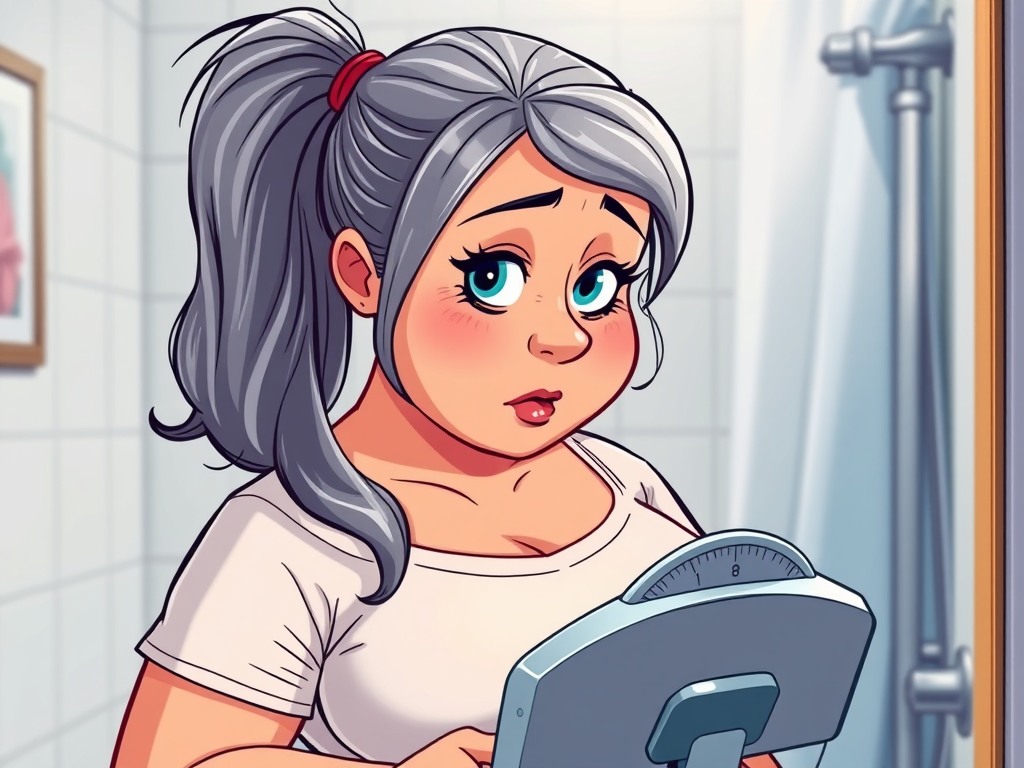
I have seen a number of posts on Reddit and Facebook where women mention they started gaining weight after beginning estrogen therapy, so I decided to research it, since I myself have noticed weight gain that is not impacted by any healthy lifestyle choices. The concern is understandable, weight management becomes increasingly challenging as we age, and when you’re already dealing with the complex changes of menopause, the last thing you want is for your treatment to make things worse.
After diving deep into the current research, I discovered that the relationship between estrogen replacement therapy and weight gain is far more nuanced than many of us realize. Let’s explore what science actually tells us about hormones, metabolism, and weight during this stage of life.
How Estrogen Affects Your Body
Estrogen is a master regulator hormone for women. This powerful hormone influences virtually every system in your body, from your reproductive organs to your bones, brain, and cardiovascular system. When it comes to weight management, estrogen plays several crucial roles:
Fat Distribution: This hormone directs where your body preferentially stores fat. Pre-menopausally, estrogen encourages fat storage in the hips, thighs, and buttocks, the classic “pear shape”, rather than around the midsection.
Appetite Regulation: Estrogen works with other hormones to help control hunger and satiety signals, influencing when and how much you eat.
Muscle Mass Maintenance: Adequate estrogen levels help preserve lean muscle mass, which is essential for maintaining a healthy metabolic rate as we age.
What Happens When We Lose Estrogen
During perimenopause and menopause, estrogen levels dramatically decline. This hormonal shift triggers a cascade of changes that can significantly impact weight and body composition.
Research shows weight gain in menopause is highly common and these changes extend far beyond the number on the scale. When estrogen levels fall:
Metabolism Slows: Without adequate estrogen, your resting metabolic rate – the calories you burn just to maintain basic body functions – naturally decreases. This means you need fewer calories to maintain the same weight, making weight gain more likely if eating habits remain unchanged.
Insulin Resistance: Lower estrogen levels can increase insulin resistance, making it harder for your body to process carbohydrates efficiently and potentially leading to increased fat storage.
Why Women Need Estrogen Replacement Therapy
Estrogen replacement therapy (ERT) or hormone replacement therapy (HRT) isn’t just about managing hot flashes and mood swings. For many women, hormone therapy becomes essential for:
- Preventing bone loss and reducing osteoporosis risk
- Protecting cardiovascular health by maintaining healthy cholesterol levels
- Preserving cognitive function and reducing dementia risk
- Maintaining urogenital health and sexual function
- Managing severe menopausal symptoms that impact quality of life
The decision to begin hormone therapy is highly individual and should always be made in consultation with healthcare providers who can assess personal risk factors and benefits.
Does Estrogen Replacement Cause Weight Gain?
Why Do Some Women Experience Weight Changes on HRT?
If the research shows that estrogen doesn’t cause weight gain, why do some women report this experience? Several factors may explain this discrepancy:
Timing Confusion: Many women start HRT when they’re already experiencing perimenopausal weight changes. The timing might make it seem like the therapy is causing weight gain when it’s actually the underlying hormonal decline.
Type and Route of Administration: The estrogen type and route of administration appears to affect clinical outcomes. Different formulations and delivery methods may affect individuals differently.
Individual Variation: Every woman’s body responds differently to hormone therapy. While the research shows average outcomes, individual experiences can vary.
Lifestyle Factors: Starting any new medication or therapy sometimes coincides with other life changes that might affect weight – stress, dietary changes, reduced activity levels, or other health issues.
Water Retention: Some women may experience temporary fluid retention when beginning hormone therapy, which can show up as weight gain on the scale but isn’t actually fat gain.
What You Can Do About Menopausal Weight Changes
Whether you’re on estrogen therapy or not, there are evidence-based strategies to help manage weight during and after menopause:
Strength Training: Building and maintaining muscle mass is crucial for keeping metabolism active. Resistance training 2-3 times per week can help counteract age-related muscle loss.
Protein Intake: Adequate protein (aim for 0.5-0.7 grams per pound of body weight) supports muscle maintenance and can help with satiety.
Metabolic Flexibility: Focus on a balanced diet that includes healthy fats, complex carbohydrates, and plenty of vegetables to support insulin sensitivity.
Sleep Optimization: Poor sleep disrupts hunger hormones and can contribute to weight gain. Prioritize 7-9 hours of quality sleep nightly.
Stress Management: Chronic stress elevates cortisol, which can promote abdominal fat storage. Regular stress-reduction practices are essential.
Professional Guidance: Work with healthcare providers to optimize your hormone therapy regimen and address any concerns about weight changes.
The Bottom Line
The fear of weight gain shouldn’t deter you from considering estrogen replacement therapy if you’re a candidate. The scientific evidence is clear: some studies suggest that HRT can aid in weight loss and positively affect body fat distribution, particularly in fat accumulation around the midsection.
If you’re experiencing weight gain during menopause, remember that this is a normal part of the hormonal transition that affects the vast majority of women. The key is working with healthcare providers to develop a comprehensive approach that may include appropriate hormone therapy, lifestyle modifications, and ongoing monitoring.
Rather than avoiding potentially beneficial treatments due to unfounded fears, focus on evidence-based strategies that support your overall health and well-being during this important life transition.
Checkout more of our post about Menopause.
Resources and Further Reading
Professional Organizations and Guidelines
- North American Menopause Society (NAMS)
- American College of Obstetricians and Gynecologists
- International Menopause Society
Research Sources
Share your experience and tips in the comments below or at The Marigold Woman Facebook Group. Don’t forget to sign up for our newsletter to stay up-to-date with our latest post!
This post was researched and drafted with the assistance of AI. All sources were reviewed and verified to the best of their ability by the editorial team.
Disclaimer: This blog is intended for informational purposes only and should not be considered legal or medical advice, diagnosis, or treatment. We strongly encourage readers to conduct their own research and consult with a qualified healthcare professional before making any decisions or changes to their health and medical routines. Marigold Brands and The Marigold Woman cannot be held accountable for any inaccuracies or adverse outcomes related to the information presented. We strive to provide accurate and up-to-date information. However, medical knowledge is constantly evolving, and individual experiences may vary. Sources and references are provided to support the content and enable readers to further explore topics and do not imply endorsement. Always consult with your healthcare provider before making significant changes to your health routine.




Leave a Reply